
Are You Looking For a Physiotherapist In Belconnen, Australian Capital Territory?
Why Book at Belconnen Physiotherapy Clinic?
Expert Care. Results Focused Approach. Convenient Location.
When it comes to your health, you deserve dedicated support, and that is exactly what we aim to deliver.
At Belconnen Physiotherapy, we combine clinical expertise with genuine care to provide results-driven physiotherapy that puts you first.
Our experienced team doesn’t just treat symptoms, we pride ourselves on our pain to performance approach to client care where we take the time to understand the root cause of your pain and create a personalised plan to help you move better, feel stronger and get back to what you love. Our model is relieving symptoms, restoring function and improving your long term health.
Because it's not just about living longer—it's about living well. Prioritising your health span means staying active and independent for as many years as possible.
Make your health a priority and book an appointment with one of our expert physios and take the first step towards better health.
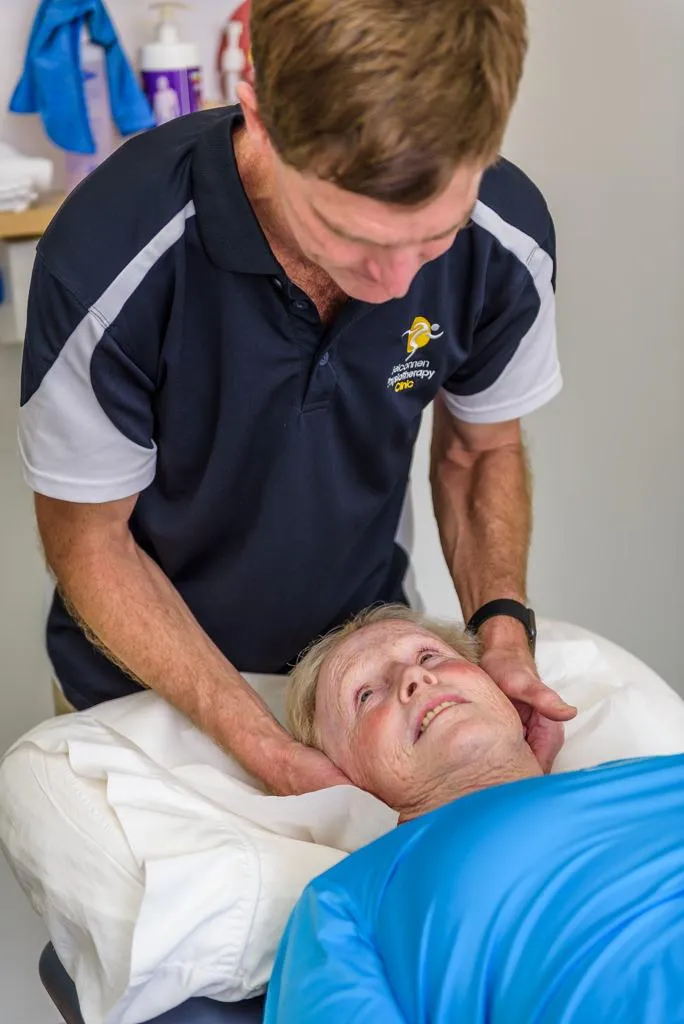
Our clinical team are experts in managing acute injuries and helping with recovery from longer-term movement problems. “Our philosophy is simple: We Care” and we've been doing that in Belconnen for more than 50 years.
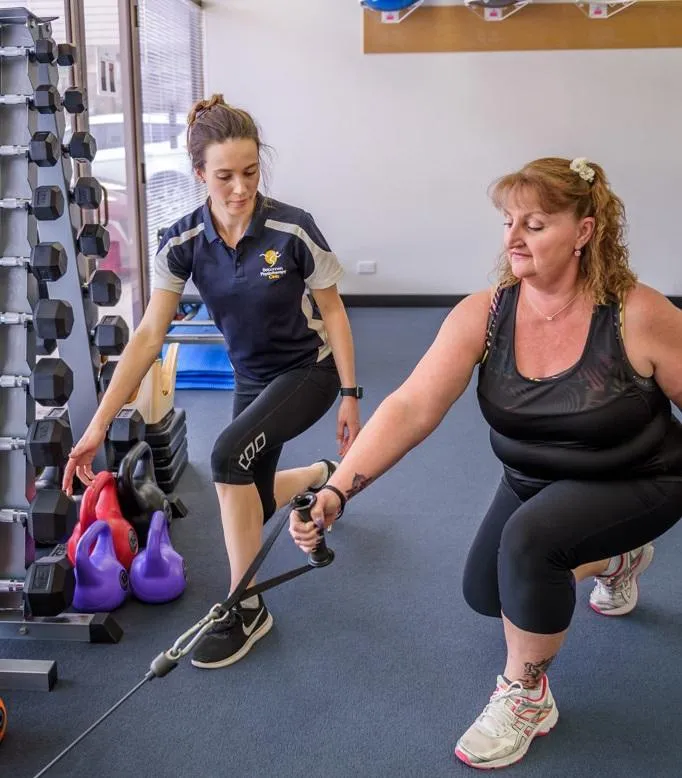
What Sets Us Apart?
At Belconnen Physiotherapy clinic, we have been looking after Belconnen's injured people for more than 50 years.
All our clinicians are trained in managing hypermobility and Ehlers Danlos syndrome.
We use a whole person, long term approach to physical health and well-being.
We provide individualised clinical Pilates
Confused about your pain and not sure what to do?
Get clear, professional advice in our free downloadable information packs
Back Pain
Understand why back pain happens and how to help it
Shoulder Pain
Understand why shoulder pain happens and how to help it
Knee Pain
Understand why knee pain happens and how to help it
How Can We Help?
At Belconnen Physiotherapy we treat a wide range of conditions from everyday aches to complex injuries. Whether you're dealing with a recent injury or something that’s been nagging you for a while, our experienced physiotherapists can help you understand the cause and work towards lasting relief.
We commonly help clients with:
Back pain – from stiffness and postural strain to disc injuries and sciatica
Neck pain & headaches – including tension, whiplash and desk-related strain
Shoulder pain – such as rotator cuff issues, bursitis and frozen shoulder
Knee pain – from ligament injuries and arthritis to patellofemoral pain
Hip & pelvic pain – affecting movement, stability or sleep
Ankle & foot problems – including sprains, Achilles issues and plantar fasciitis
Post-surgical recovery – regain strength and mobility after orthopaedic surgery
Sports injuries – from sprains and strains to overuse injuries
Balance and dizziness issues – including BPPV and vestibular dysfunction
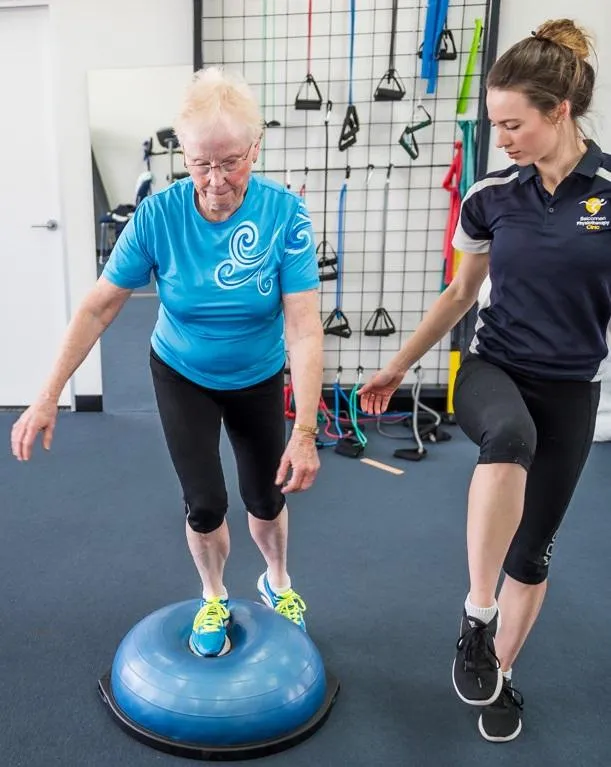
Contact us today to speak with our friendly team and find out how we can help you feel your best
Latest Tips and Advice
Plantar Fasciitis: Understanding Heel Pain and How Physiotherapy Can Help in Canberra
Plantar Fasciitis Causing Heel Pain? Here’s What You Need to Know
Heel pain can make everyday activities surprisingly difficult. Whether you’re taking your first steps in the morning, walking around Canberra, or training for your next fun run, persistent foot pain can affect your comfort and confidence.
One of the most common causes of heel pain is plantar fasciitis. This condition affects the plantar fascia—a thick band of connective tissue that supports the arch of your foot—and is frequently seen in runners, active individuals and people who spend long periods standing.
At Belconnen Physiotherapy Clinic, we assess the factors contributing to plantar fasciitis and develop personalised management plans to help you return to your normal activities safely and comfortably.
What Is Plantar Fasciitis?
The plantar fascia is a strong band of tissue that runs from your heel bone to the base of your toes. It helps support your foot’s arch and absorbs forces during walking and running.
Plantar fasciitis occurs when this tissue becomes irritated or overloaded, leading to pain, most commonly near the inside of the heel.
Although the condition is often called “plantar fasciitis,” research suggests that long-standing cases may involve tissue degeneration rather than ongoing inflammation.
What Are the Common Symptoms of Plantar Fasciitis?
Symptoms can vary, but many people experience:
·Sharp heel pain with the first few steps in the morning
·Pain after sitting for long periods
·Foot pain that eases with gentle movement but returns after prolonged activity
·Tenderness underneath or inside the heel
·Discomfort after running, walking or standing for extended periods
·Tightness through the calf or sole of the foot
If heel pain persists for more than a few weeks, an assessment by a physiotherapist may help identify the underlying cause.
What Causes Plantar Fasciitis?
Plantar fasciitis usually develops when the plantar fascia is exposed to more load than it can comfortably tolerate.
Common contributing factors include:
·Sudden increases in walking or running
·A running injury following changes in training volume or intensity
·Standing for long hours at work
·Reduced ankle flexibility
·Tight calf muscles
·Changes in footwear
·Higher body weight increasing foot loading
·Flat feet or high arches in some individuals
Often, several factors contribute rather than a single cause.
Who Is Most Likely to Develop Plantar Fasciitis?
Plantar fasciitis can affect almost anyone but is commonly seen in:
·Recreational and competitive runners
·People who walk long distances
·Retail, healthcare and hospitality workers
·Teachers and tradespeople
·Adults aged between 40 and 60 years
·Individuals returning to exercise after a break
How Can Physiotherapy Help Plantar Fasciitis?
A physiotherapist can assess your symptoms, movement patterns and activity levels to determine what may be contributing to your heel pain.
Treatment may include:
Education
Understanding why your symptoms developed can help guide activity modification while your foot settles.
Exercise Rehabilitation
Specific exercises may help improve the strength and capacity of the plantar fascia, calf muscles and foot muscles.
Load Management
Adjusting running, walking or work activities may reduce irritation while maintaining overall fitness where appropriate.
Manual Therapy
Hands-on treatment may be used where clinically appropriate to address joint or soft tissue stiffness as part of a broader management plan.
Footwear Advice
Supportive footwear may help reduce stress on the plantar fascia. Your physiotherapist can discuss suitable footwear based on your individual needs.
Should You Keep Running With Plantar Fasciitis?
This is one of the most common questions people ask.
The answer depends on:
·Your pain levels
·Symptom severity
·Training goals
·How your symptoms respond after running
Some people can continue modified running programs, while others may benefit from temporarily reducing running volume. A physiotherapist can help determine an appropriate approach based on your individual presentation.
Frequently Asked Questions
How long does plantar fasciitis take to improve?
Recovery varies from person to person depending on symptom duration, contributing factors and adherence to management strategies. Many people notice gradual improvement over time with appropriate treatment and activity modification.
Is plantar fasciitis serious?
While it is not usually a serious condition, persistent heel pain can significantly affect daily activities if left unmanaged.
Do I need a scan?
In many cases, imaging is not required initially. Your physiotherapist will determine whether further investigation or referral is appropriate based on your assessment.
Can plantar fasciitis go away on its own?
Some cases improve with time, but symptoms may persist if the underlying contributing factors are not addressed.
Are orthotics necessary?
Not everyone requires orthotics. Depending on your assessment findings, footwear advice, exercises or temporary supports may be more appropriate.
When Should You See a Physiotherapist?
Consider booking an assessment if:
·Heel pain has lasted more than two weeks
·Walking is becoming uncomfortable
·Your foot pain is limiting work or exercise
·You have recurring plantar fasciitis
·You’re recovering from a running injury and want guidance returning to activity
Early assessment may help identify contributing factors and guide an appropriate rehabilitation plan.
Physiotherapy for Plantar Fasciitis in Canberra
If you’re experiencing ongoing foot pain, heel pain or symptoms consistent with plantar fasciitis, the team at Belconnen Physiotherapy Clinic is here to help.
We provide thorough assessments, personalised rehabilitation programs and practical advice to help you better understand your condition and work towards your goals.
Whether your symptoms developed after a running injury, long hours at work or gradual increases in activity, we’ll tailor your management plan to your individual needs.
Book an Appointment at Belconnen Physiotherapy Clinic
If heel pain is affecting your daily life, contact Belconnen Physiotherapy Clinic to arrange an assessment. Our physiotherapists can evaluate your symptoms, explain the possible causes and develop an evidence-informed management plan suited to your goals.
If you’re located in Belconnen, Bruce, Gungahlin, Macquarie, Hawker or elsewhere in Canberra, we’re here to help you take the next step towards moving more comfortably.





Belconnen Physiotherapy is powered by Vitala Health, a group of Allied Health Practices across New Zealand and Australia.
Vitala Health provides clinical solutions that supports clients health and lifestyle needs through best practice treatment, premium facilities, education and ongoing commitment to customer service. Learn more about Vitala Health
If you have any questions before scheduling an appointment or for general enquiries, please contact us. Our team will promptly reach out to assist you.
Opening Hours
Mon: 8:00am - 6:00pm
Tue: 8:00am - 6:00pm
Wed: 8:00am - 6:00pm
Thu: 8:00am - 6:00pm
Fri: 8:00am - 5:00pm
Sat: Closed
Sun: Closed




Follow Us
The Clinic
Common Conditions
Belconnen Physiotherapy Clinic
© Copyright 2026 Vitala Health. All Rights Reserved.
Facebook
Instagram