
Are You Looking For a Physiotherapist In Belconnen, Australian Capital Territory?
Why Book at Belconnen Physiotherapy Clinic?
Expert Care. Results Focused Approach. Convenient Location.
When it comes to your health, you deserve dedicated support, and that is exactly what we aim to deliver.
At Belconnen Physiotherapy, we combine clinical expertise with genuine care to provide results-driven physiotherapy that puts you first.
Our experienced team doesn’t just treat symptoms, we pride ourselves on our pain to performance approach to client care where we take the time to understand the root cause of your pain and create a personalised plan to help you move better, feel stronger and get back to what you love. Our model is relieving symptoms, restoring function and improving your long term health.
Because it's not just about living longer—it's about living well. Prioritising your health span means staying active and independent for as many years as possible.
Make your health a priority and book an appointment with one of our expert physios and take the first step towards better health.
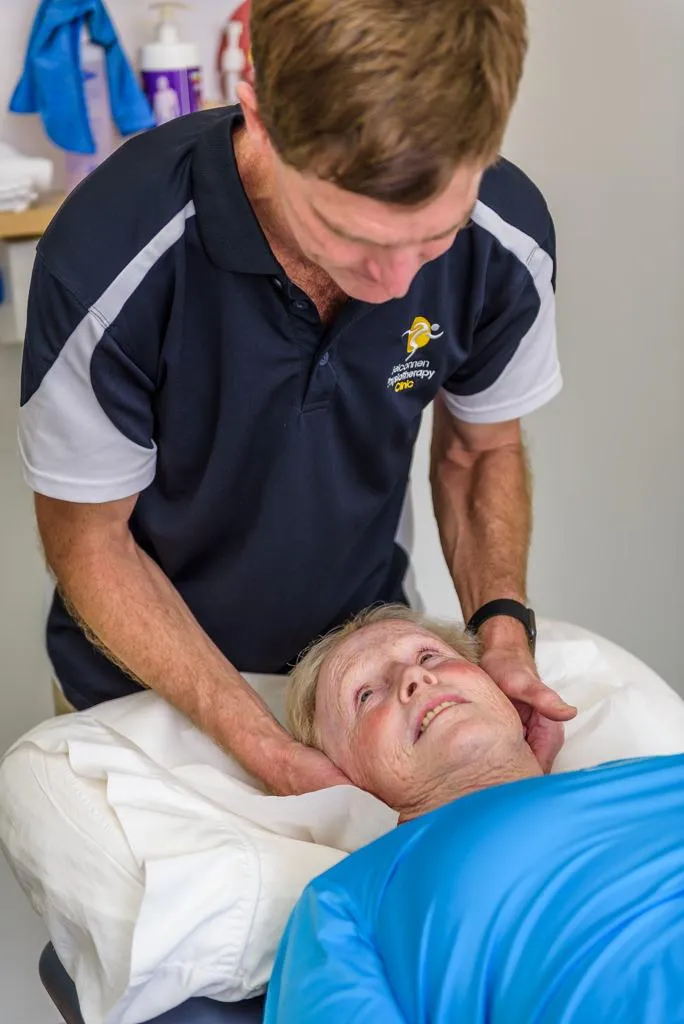
Our clinical team are experts in managing acute injuries and helping with recovery from longer-term movement problems. “Our philosophy is simple: We Care” and we've been doing that in Belconnen for more than 50 years.
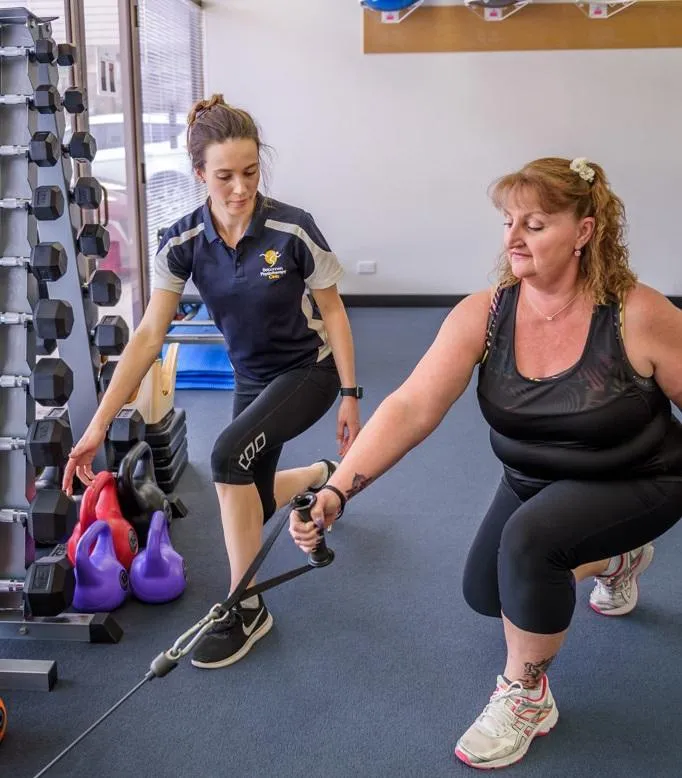
What Sets Us Apart?
At Belconnen Physiotherapy clinic, we have been looking after Belconnen's injured people for more than 50 years.
All our clinicians are trained in managing hypermobility and Ehlers Danlos syndrome.
We use a whole person, long term approach to physical health and well-being.
We provide individualised clinical Pilates
Confused about your pain and not sure what to do?
Get clear, professional advice in our free downloadable information packs
Back Pain
Understand why back pain happens and how to help it
Shoulder Pain
Understand why shoulder pain happens and how to help it
Knee Pain
Understand why knee pain happens and how to help it
How Can We Help?
At Belconnen Physiotherapy we treat a wide range of conditions from everyday aches to complex injuries. Whether you're dealing with a recent injury or something that’s been nagging you for a while, our experienced physiotherapists can help you understand the cause and work towards lasting relief.
We commonly help clients with:
Back pain – from stiffness and postural strain to disc injuries and sciatica
Neck pain & headaches – including tension, whiplash and desk-related strain
Shoulder pain – such as rotator cuff issues, bursitis and frozen shoulder
Knee pain – from ligament injuries and arthritis to patellofemoral pain
Hip & pelvic pain – affecting movement, stability or sleep
Ankle & foot problems – including sprains, Achilles issues and plantar fasciitis
Post-surgical recovery – regain strength and mobility after orthopaedic surgery
Sports injuries – from sprains and strains to overuse injuries
Balance and dizziness issues – including BPPV and vestibular dysfunction
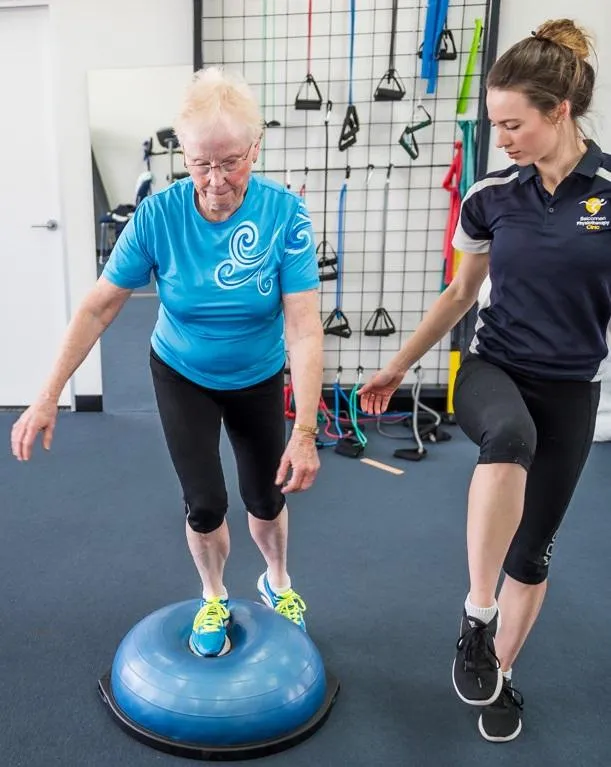
Contact us today to speak with our friendly team and find out how we can help you feel your best
Latest Tips and Advice
Rotator Cuff Tear: Symptoms, Treatment and Physiotherapy in Canberra
Shoulder pain that won't settle? It could be a rotator cuff tear.
A rotator cuff tear is one of the most common causes of persistent shoulder pain in adults. It can make everyday activities such as reaching overhead, lifting shopping bags, getting dressed or sleeping on your side uncomfortable.
Some rotator cuff tears occur suddenly following a fall or lifting injury, while others develop gradually over time due to age-related changes or repetitive shoulder use.
At Belconnen Physiotherapy Clinic, we help people throughout Canberra understand the cause of their shoulder pain and develop an individual rehabilitation plan based on their symptoms, goals and lifestyle.
What is a rotator cuff tear?
The rotator cuff is a group of four muscles and their tendons that stabilise the shoulder and help lift and rotate the arm.
A rotator cuff tear occurs when one or more of these tendons become partially or completely torn.
Rotator cuff tears may be:
Partial tears, where only part of the tendon is damaged
Full-thickness tears, where the tendon is completely torn
Acute tears caused by trauma
Degenerative tears that develop gradually over time
Many people over 50 may have small tendon tears without symptoms. However, when pain, weakness and reduced function develop, assessment by a physiotherapist can help determine appropriate management.
What causes a rotator cuff tear?
Several factors can contribute to a torn rotator cuff.
Common causes include:
Falls onto an outstretched arm
Heavy lifting injuries
Repetitive overhead activities
Sporting injuries
Age-related tendon changes
Occupations involving repetitive shoulder use
People who regularly participate in swimming, tennis, cricket, painting or manual labour may place increased demands on the rotator cuff.
Common symptoms of a rotator cuff tear
Symptoms vary depending on the size and location of the tear.
Common signs include:
Shoulder pain when lifting the arm
Pain reaching overhead
Weakness when lifting or carrying objects
Difficulty sleeping on the affected shoulder
Pain when reaching behind the back
Clicking or catching sensations
Reduced shoulder movement
A sudden traumatic tear may cause immediate pain and noticeable weakness, whereas gradual tears often become increasingly painful over months.
How is a rotator cuff tear diagnosed?
A physiotherapist will complete a detailed assessment that includes:
Discussion of your symptoms and injury history
Assessment of shoulder movement
Strength testing
Functional movement assessment
Clinical tests for the rotator cuff
In some cases, your GP or medical practitioner may recommend imaging such as ultrasound or MRI if further information is required.
Assessment findings are considered alongside your symptoms, as imaging alone does not always explain shoulder pain.
How can physiotherapy help?
Many people with rotator cuff tears benefit from a structured rehabilitation program.
Your physiotherapy management may include:
Education
Understanding your injury and modifying aggravating activities can help manage symptoms while recovery progresses.
Individualised Exercise Rehabilitation
Targeted exercises aim to improve:
Shoulder strength
Rotator cuff function
Scapular control
Shoulder mobility
Functional capacity
Exercise programs are progressed according to your symptoms and goals.
Pain Management
Your physiotherapist may recommend strategies to help manage pain while maintaining movement, allowing you to continue appropriate daily activities where possible.
Return to Work and Sport
Whether you work in an office, perform manual labour or enjoy recreational sport, rehabilitation can be tailored to help you safely return to your usual activities.
Frequently Asked Questions
Can a rotator cuff tear heal without surgery?
Some partial tears and many degenerative tears can often be managed successfully without surgery through education, exercise and appropriate rehabilitation. However, treatment recommendations vary depending on the individual and the nature of the tear.
Do I need a scan?
Not always. Many rotator cuff tears can be identified through a thorough clinical assessment. Imaging may be recommended if symptoms are severe, following significant trauma, or if further investigation is required.
How long does recovery take?
Recovery varies depending on the size of the tear, your age, activity level and overall health. Some people improve over several weeks, while larger or more complex injuries may require several months of rehabilitation.
Should I keep exercising?
Remaining active is often beneficial, although certain movements may need to be temporarily modified. Your physiotherapist can recommend exercises that are appropriate for your stage of recovery.
When should you see a physiotherapist?
It is worth arranging an assessment if you have:
Shoulder pain lasting more than a few weeks
Difficulty lifting your arm
Weakness following a fall or injury
Pain disturbing your sleep
Ongoing shoulder pain affecting work, sport or daily activities
Early assessment can help identify contributing factors and guide appropriate management.
Physiotherapy for Rotator Cuff Tears in Canberra
If you're experiencing shoulder pain or think you may have a rotator cuff tear, the team at Belconnen Physiotherapy Clinic is here to help.
We provide comprehensive physiotherapy assessments and personalised rehabilitation programs for people across Belconnen, Bruce, Macquarie, Hawker, Weetangera, Kaleen, Lawson, Cook and the wider Canberra region.
To arrange an appointment or discuss your shoulder symptoms, contact Belconnen Physiotherapy Clinic on (02) 6251 3487. Our physiotherapists can assess your condition, explain your treatment options and work with you to develop a rehabilitation plan suited to your individual needs.





Belconnen Physiotherapy is powered by Vitala Health, a group of Allied Health Practices across New Zealand and Australia.
Vitala Health provides clinical solutions that supports clients health and lifestyle needs through best practice treatment, premium facilities, education and ongoing commitment to customer service. Learn more about Vitala Health
If you have any questions before scheduling an appointment or for general enquiries, please contact us. Our team will promptly reach out to assist you.
Opening Hours
Mon: 8:00am - 6:00pm
Tue: 8:00am - 6:00pm
Wed: 8:00am - 6:00pm
Thu: 8:00am - 6:00pm
Fri: 8:00am - 5:00pm
Sat: Closed
Sun: Closed



Follow Us
The Clinic
Common Conditions
Belconnen Physiotherapy Clinic
© Copyright 2026 Vitala Health. All Rights Reserved.
Facebook
Instagram