
Are You Looking For a Physiotherapist In Belconnen, Australian Capital Territory?
Why Book at Belconnen Physiotherapy Clinic?
Expert Care. Results Focused Approach. Convenient Location.
When it comes to your health, you deserve dedicated support, and that is exactly what we aim to deliver.
At Belconnen Physiotherapy, we combine clinical expertise with genuine care to provide results-driven physiotherapy that puts you first.
Our experienced team doesn’t just treat symptoms, we pride ourselves on our pain to performance approach to client care where we take the time to understand the root cause of your pain and create a personalised plan to help you move better, feel stronger and get back to what you love. Our model is relieving symptoms, restoring function and improving your long term health.
Because it's not just about living longer—it's about living well. Prioritising your health span means staying active and independent for as many years as possible.
Make your health a priority and book an appointment with one of our expert physios and take the first step towards better health.
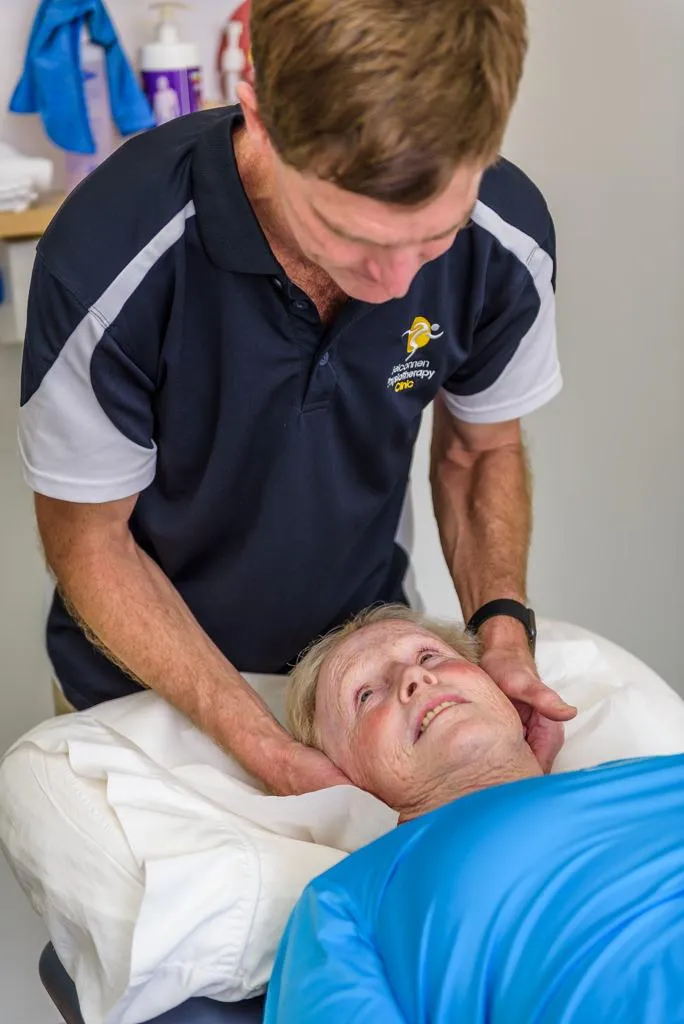
Our clinical team are experts in managing acute injuries and helping with recovery from longer-term movement problems. “Our philosophy is simple: We Care” and we've been doing that in Belconnen for more than 50 years.
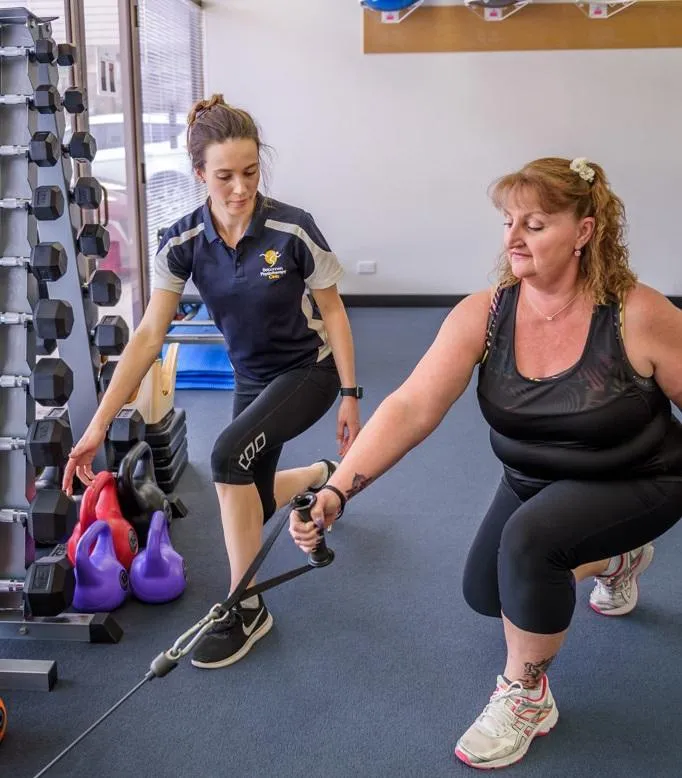
What Sets Us Apart?
At Belconnen Physiotherapy clinic, we have been looking after Belconnen's injured people for more than 50 years.
All our clinicians are trained in managing hypermobility and Ehlers Danlos syndrome.
We use a whole person, long term approach to physical health and well-being.
We provide individualised clinical Pilates
Confused about your pain and not sure what to do?
Get clear, professional advice in our free downloadable information packs
Back Pain
Understand why back pain happens and how to help it
Shoulder Pain
Understand why shoulder pain happens and how to help it
Knee Pain
Understand why knee pain happens and how to help it
How Can We Help?
At Belconnen Physiotherapy we treat a wide range of conditions from everyday aches to complex injuries. Whether you're dealing with a recent injury or something that’s been nagging you for a while, our experienced physiotherapists can help you understand the cause and work towards lasting relief.
We commonly help clients with:
Back pain – from stiffness and postural strain to disc injuries and sciatica
Neck pain & headaches – including tension, whiplash and desk-related strain
Shoulder pain – such as rotator cuff issues, bursitis and frozen shoulder
Knee pain – from ligament injuries and arthritis to patellofemoral pain
Hip & pelvic pain – affecting movement, stability or sleep
Ankle & foot problems – including sprains, Achilles issues and plantar fasciitis
Post-surgical recovery – regain strength and mobility after orthopaedic surgery
Sports injuries – from sprains and strains to overuse injuries
Balance and dizziness issues – including BPPV and vestibular dysfunction
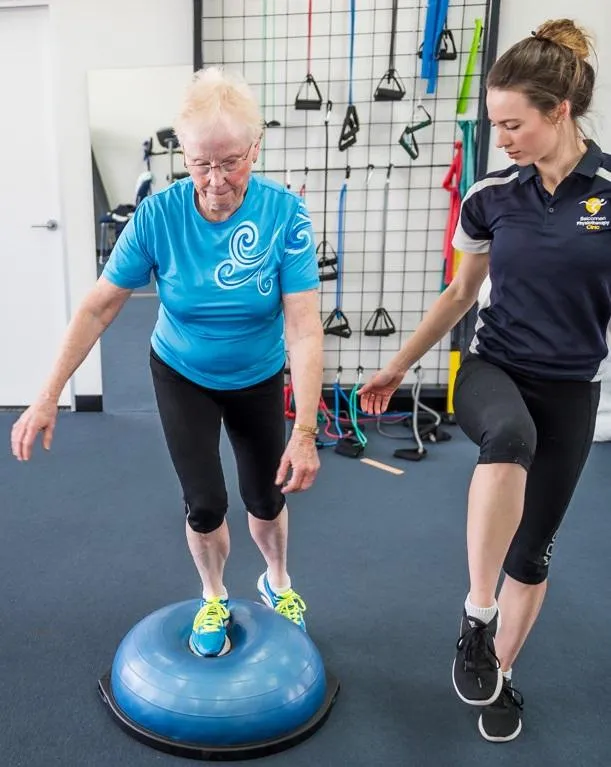
Contact us today to speak with our friendly team and find out how we can help you feel your best
Latest Tips and Advice
Medial Tibia Stress Fracture: Understanding Shin Bone Stress Injuries
Pain along the inside of the shin can be frustrating, particularly if it prevents you from running, playing sport or exercising. While many cases of shin pain are caused by muscle or tendon irritation, persistent pain may sometimes indicate a medial tibia stress fracture.
A medial tibia stress fracture is a small crack within the shinbone (tibia) that develops gradually due to repetitive loading rather than a single traumatic event. Early assessment is important because continuing to exercise through the pain may delay recovery.
At Belconnen Physiotherapy Clinic, we help people across Canberra understand the cause of their shin pain and develop an appropriate rehabilitation plan based on their individual needs and goals.
What Is a Medial Tibia Stress Fracture?
A medial tibia stress fracture occurs when repeated loading causes microscopic damage within the tibia faster than the bone can repair itself. Over time, this can develop into a stress fracture.
These injuries commonly affect:
Distance runners
Football players
Basketball players
Military personnel
Dancers
People who have recently increased their exercise levels
Unlike an acute fracture caused by a fall or accident, stress fractures usually develop gradually over several weeks.
What Causes a Medial Tibia Stress Fracture?
Stress fractures are usually caused by a combination of training load and individual risk factors.
Common contributing factors include:
Rapid increases in running distance or intensity
High-impact sports
Inadequate recovery between training sessions
Muscle weakness or fatigue
Reduced bone loading capacity
Poor running mechanics
Unsupportive or worn footwear
Previous stress fractures
Identifying these contributing factors is an important part of physiotherapy management.
What Are the Symptoms?
Symptoms often develop gradually rather than suddenly.
Common signs include:
Pain along the inner border of the shin
Pain that initially occurs during exercise
Pain that becomes more persistent over time
Tenderness when pressing on one small area of the tibia
Pain when hopping on the affected leg
Swelling in some cases
Pain that may eventually occur during walking or everyday activities
Because other conditions such as medial tibial stress syndrome ("shin splints") can produce similar symptoms, an accurate assessment is important.
How Is a Medial Tibia Stress Fracture Diagnosed?
A physiotherapist will begin with a thorough assessment, including:
Your symptoms and training history
Recent changes in activity levels
Physical examination
Functional movement assessment
Assessment of strength, flexibility and biomechanics
If a stress fracture is suspected, your physiotherapist may recommend referral to your GP for imaging such as an MRI or other investigations where appropriate.
How Can Physiotherapy Help?
Management aims to reduce stress on the bone while gradually restoring strength and function.
Your rehabilitation program may include:
Activity Modification
Reducing or temporarily avoiding painful activities allows the bone time to recover while maintaining general fitness through suitable alternatives where appropriate.
Strength and Conditioning
Improving lower limb strength may help reduce excessive loading through the tibia during activity.
Exercises may target:
Calf muscles
Hip muscles
Quadriceps
Hamstrings
Core stability
Running Assessment
For runners, assessing running technique may help identify factors contributing to repeated bone loading.
Progressive Return to Sport
Once symptoms have improved, your physiotherapist will guide a gradual return to running or sport, progressing activity based on your symptoms and recovery.
Frequently Asked Questions
Can a medial tibia stress fracture heal without surgery?
Most medial tibia stress fractures are managed without surgery. Appropriate diagnosis, activity modification and a structured rehabilitation program are commonly recommended. Recovery time varies depending on the severity of the injury and individual factors.
How long does recovery take?
Recovery varies between individuals. Factors such as the location and severity of the stress fracture, overall health, training demands and adherence to rehabilitation all influence recovery. Your physiotherapist can provide guidance based on your assessment.
Is it safe to keep running?
Continuing to run through pain may increase stress on the injured bone. It is generally advisable to seek assessment if shin pain persists or worsens during activity.
Can physiotherapy help prevent future stress fractures?
Physiotherapy can identify factors that may contribute to excessive bone loading, including strength deficits, movement patterns and training habits. Addressing these factors may help reduce the likelihood of recurrence.
When Should You Seek Physiotherapy?
Consider arranging an assessment if you experience:
Shin pain lasting longer than a few days
Pain that returns every time you run
Localised tenderness on the shin
Pain that is gradually worsening
Difficulty participating in sport or exercise because of shin pain
Early assessment can assist with identifying the cause of your symptoms and determining the most appropriate management plan.
Book an Appointment at Belconnen Physiotherapy Clinic
If you're experiencing persistent shin pain or think you may have a medial tibia stress fracture, the team at Belconnen Physiotherapy Clinic is here to help.
We provide thorough physiotherapy assessments for people throughout Belconnen, Bruce, Gungahlin, Hawker, Macquarie, Page, Kaleen and the wider Canberra region. Following an assessment, we'll work with you to develop an individual management plan based on your symptoms, activity levels and goals.
Contact Belconnen Physiotherapy Clinic today to book an appointment and take the next step towards returning safely to your everyday activities and sport.

Our memberships and partnerships reflect our commitment to the communities we serve and the quality of care we aim to provide.







Belconnen Physiotherapy is powered by Vitala Health, a group of Allied Health Practices across New Zealand and Australia.
Vitala Health provides clinical solutions that supports clients health and lifestyle needs through best practice treatment, premium facilities, education and ongoing commitment to customer service. Learn more about Vitala Health
If you have any questions before scheduling an appointment or for general enquiries, please contact us. Our team will promptly reach out to assist you.
Opening Hours
Mon: 8:00am - 6:00pm
Tue: 8:00am - 6:00pm
Wed: 8:00am - 6:00pm
Thu: 8:00am - 6:00pm
Fri: 8:00am - 5:00pm
Sat: Closed
Sun: Closed




Follow Us
The Clinic
Common Conditions
Belconnen Physiotherapy Clinic
© Copyright 2026 Vitala Health. All Rights Reserved.
Facebook
Instagram