
Are You Looking For a Physiotherapist In Belconnen, Australian Capital Territory?
Why Book at Belconnen Physiotherapy Clinic?
Expert Care. Results Focused Approach. Convenient Location.
When it comes to your health, you deserve dedicated support, and that is exactly what we aim to deliver.
At Belconnen Physiotherapy, we combine clinical expertise with genuine care to provide results-driven physiotherapy that puts you first.
Our experienced team doesn’t just treat symptoms, we pride ourselves on our pain to performance approach to client care where we take the time to understand the root cause of your pain and create a personalised plan to help you move better, feel stronger and get back to what you love. Our model is relieving symptoms, restoring function and improving your long term health.
Because it's not just about living longer—it's about living well. Prioritising your health span means staying active and independent for as many years as possible.
Make your health a priority and book an appointment with one of our expert physios and take the first step towards better health.
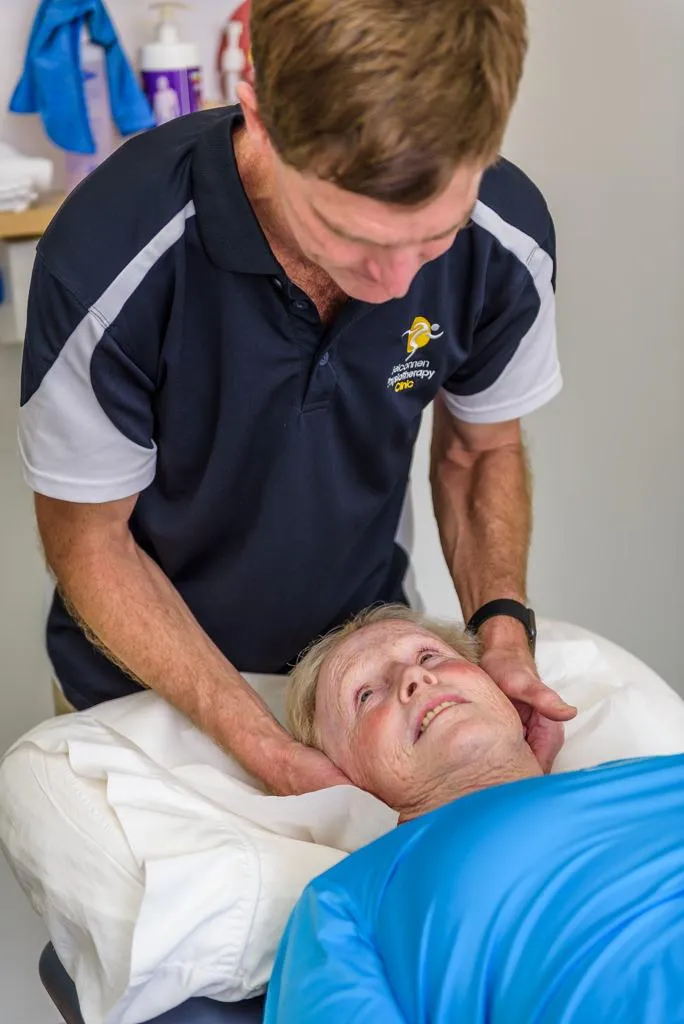
Our clinical team are experts in managing acute injuries and helping with recovery from longer-term movement problems. “Our philosophy is simple: We Care” and we've been doing that in Belconnen for more than 50 years.
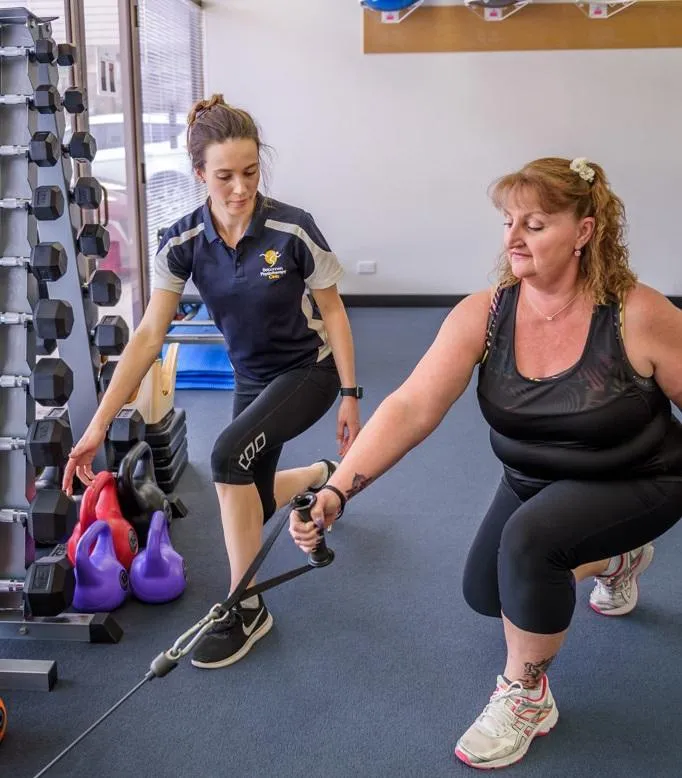
What Sets Us Apart?
At Belconnen Physiotherapy clinic, we have been looking after Belconnen's injured people for more than 50 years.
All our clinicians are trained in managing hypermobility and Ehlers Danlos syndrome.
We use a whole person, long term approach to physical health and well-being.
We provide individualised clinical Pilates
Confused about your pain and not sure what to do?
Get clear, professional advice in our free downloadable information packs
Back Pain
Understand why back pain happens and how to help it
Shoulder Pain
Understand why shoulder pain happens and how to help it
Knee Pain
Understand why knee pain happens and how to help it
How Can We Help?
At Belconnen Physiotherapy we treat a wide range of conditions from everyday aches to complex injuries. Whether you're dealing with a recent injury or something that’s been nagging you for a while, our experienced physiotherapists can help you understand the cause and work towards lasting relief.
We commonly help clients with:
Back pain – from stiffness and postural strain to disc injuries and sciatica
Neck pain & headaches – including tension, whiplash and desk-related strain
Shoulder pain – such as rotator cuff issues, bursitis and frozen shoulder
Knee pain – from ligament injuries and arthritis to patellofemoral pain
Hip & pelvic pain – affecting movement, stability or sleep
Ankle & foot problems – including sprains, Achilles issues and plantar fasciitis
Post-surgical recovery – regain strength and mobility after orthopaedic surgery
Sports injuries – from sprains and strains to overuse injuries
Balance and dizziness issues – including BPPV and vestibular dysfunction
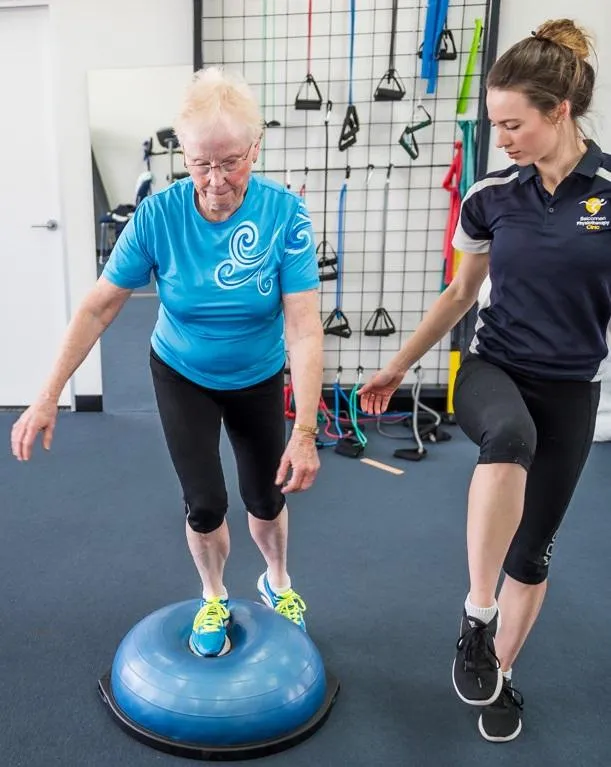
Contact us today to speak with our friendly team and find out how we can help you feel your best
Latest Tips and Advice
Lumbar Disc Bulge Treatment in Canberra: Understanding Your Lower Back Pain
A lumbar disc bulge is a common cause of lower back pain that can affect people of all ages. Whether symptoms have developed gradually from everyday activities or started after a lower back injury, a disc bulge can make movements such as bending, lifting, sitting or exercising uncomfortable.
At Belconnen Physiotherapy Clinic, we understand that lower back pain can affect your work, sport, sleep and daily activities. Physiotherapy can help you better understand your symptoms, improve movement, and develop strategies to support your recovery.
This article explains what a lumbar spine disc bulge is, what symptoms you may experience, and how lower back physiotherapy may help.
What is a lumbar disc bulge?
The lumbar spine is the lower section of your back, made up of five vertebrae separated by intervertebral discs. These discs act as cushions between the bones, helping absorb load and allowing movement.
A lumbar disc bulge occurs when one of these discs extends beyond its normal boundary. This does not always cause pain, and many people may have disc changes visible on scans without experiencing symptoms.
When symptoms are present, they may occur due to irritation of nearby structures, changes in spinal movement, or sensitivity of the surrounding tissues.
What causes a lumbar disc bulge?
A disc bulge can develop for several reasons. Common contributing factors include:
Repeated bending, lifting or twisting movements
Increased physical demands without adequate preparation
Age-related changes in the spine
Reduced tolerance to certain activities
Previous episodes of lower back pain or injury
Sudden increases in exercise or workload
It is important to understand that a disc bulge is not always the result of a single damaging event. In many cases, symptoms develop through a combination of factors affecting how the lower back responds to load and movement.
What are the symptoms of a lumbar disc bulge?
Symptoms can vary significantly between individuals. Some people experience mild discomfort, while others may have more noticeable limitations.
Common symptoms associated with a lumbar disc bulge may include:
Stiffness, particularly after sitting or resting
Pain with bending, lifting or prolonged positions
Reduced confidence with movement
Pain that may travel into the buttock or leg
Tingling or altered sensations in some cases
If you experience significant changes in strength, bladder or bowel function, or rapidly worsening symptoms, it is important to seek medical advice promptly.
How can physiotherapy help with a lumbar disc bulge?
A lower back physio can assess your movement, symptoms and lifestyle factors to develop an appropriate management plan.
At Belconnen Physiotherapy Clinic, physiotherapy for a lumbar disc bulge may include:
Understanding your condition
Education is an important part of managing lower back pain. Understanding what may be contributing to your symptoms can help reduce uncertainty and allow you to make informed decisions about your recovery.
Exercise therapy
A personalised exercise program can help improve strength, mobility and confidence with movement. Exercises may focus on:
Improving spinal and hip mobility
Building strength in the muscles supporting your lower back
Gradually increasing tolerance to daily activities
Supporting a safe return to work, sport or exercise
Movement and activity advice
Many people with a lumbar disc bulge worry that certain movements may cause further harm. A physiotherapist can help you understand how to modify activities when needed while gradually rebuilding your capacity.
Hands-on treatment options
Depending on your assessment, your physiotherapist may use hands-on techniques alongside exercise and education to help address movement restrictions and support symptom management.
How long does it take to recover from a lumbar disc bulge?
Recovery time varies depending on factors such as the severity of symptoms, your general health, activity levels and how your body responds to treatment.
Many people improve with appropriate guidance, gradual return to activity and a structured rehabilitation approach. Your physiotherapist can help set realistic goals and review your progress over time.
Do I need a scan for a lumbar disc bulge?
Not everyone with lower back pain requires imaging. A physiotherapist can assess your symptoms and help determine whether further investigation may be appropriate.
Scans can show changes in the spine that may not always relate directly to pain. A thorough clinical assessment helps ensure your management plan focuses on your individual presentation rather than imaging findings alone.
When should I see a physiotherapist for lower back pain?
You may benefit from seeing a lower back physio if:
Your pain is affecting your daily activities
Symptoms have not improved as expected
You are unsure what movements or exercises are appropriate
You want guidance returning to work, sport or the gym
You have experienced a lower back injury
Early assessment can help you understand your condition and provide practical strategies for managing your symptoms.
Find a lower back physio in Canberra
Living with lower back pain can be frustrating, but understanding your condition is an important first step. A lumbar disc bulge does not always mean you need to stop doing the activities you enjoy. With appropriate assessment, education and rehabilitation, many people can work towards improved movement and function.
If you are experiencing lower back pain, a lumbar disc bulge, or a lower back injury, contact Belconnen Physiotherapy Clinic in Canberra to book an appointment with a qualified physiotherapist. Our team can assess your symptoms and help you develop an individualised approach to managing your lower back condition.





Belconnen Physiotherapy is powered by Vitala Health, a group of Allied Health Practices across New Zealand and Australia.
Vitala Health provides clinical solutions that supports clients health and lifestyle needs through best practice treatment, premium facilities, education and ongoing commitment to customer service. Learn more about Vitala Health
If you have any questions before scheduling an appointment or for general enquiries, please contact us. Our team will promptly reach out to assist you.
Opening Hours
Mon: 8:00am - 6:00pm
Tue: 8:00am - 6:00pm
Wed: 8:00am - 6:00pm
Thu: 8:00am - 6:00pm
Fri: 8:00am - 5:00pm
Sat: Closed
Sun: Closed



Follow Us
The Clinic
Common Conditions
Belconnen Physiotherapy Clinic
© Copyright 2026 Vitala Health. All Rights Reserved.
Facebook
Instagram