
Are You Looking For a Physiotherapist In Belconnen, Australian Capital Territory?
Why Book at Belconnen Physiotherapy Clinic?
Expert Care. Results Focused Approach. Convenient Location.
When it comes to your health, you deserve dedicated support, and that is exactly what we aim to deliver.
At Belconnen Physiotherapy, we combine clinical expertise with genuine care to provide results-driven physiotherapy that puts you first.
Our experienced team doesn’t just treat symptoms, we pride ourselves on our pain to performance approach to client care where we take the time to understand the root cause of your pain and create a personalised plan to help you move better, feel stronger and get back to what you love. Our model is relieving symptoms, restoring function and improving your long term health.
Because it's not just about living longer—it's about living well. Prioritising your health span means staying active and independent for as many years as possible.
Make your health a priority and book an appointment with one of our expert physios and take the first step towards better health.
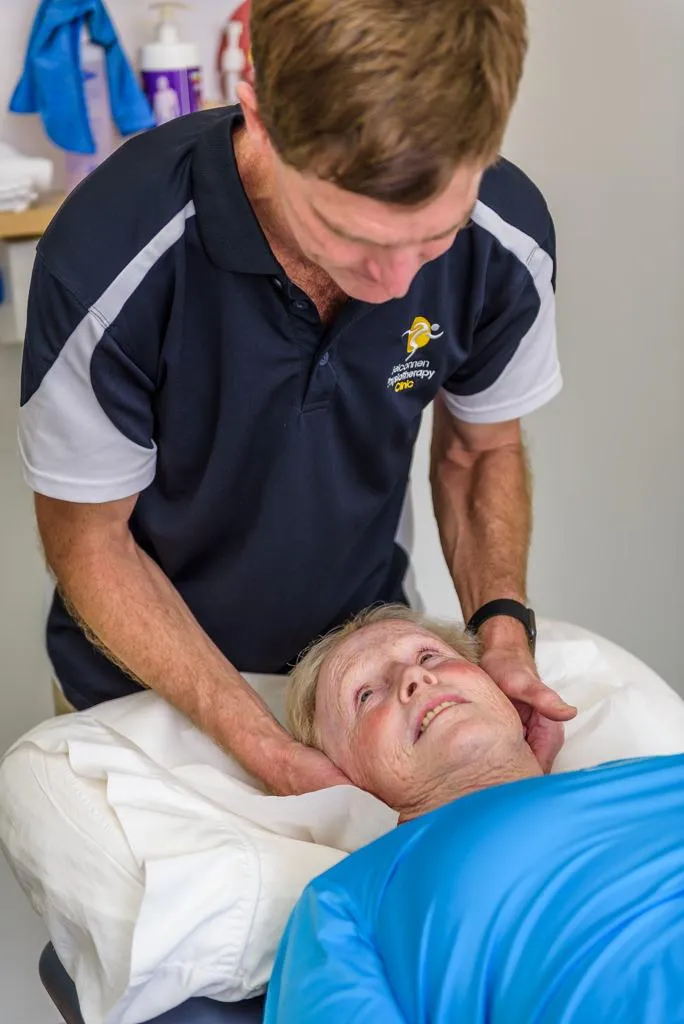
Our clinical team are experts in managing acute injuries and helping with recovery from longer-term movement problems. “Our philosophy is simple: We Care” and we've been doing that in Belconnen for more than 50 years.
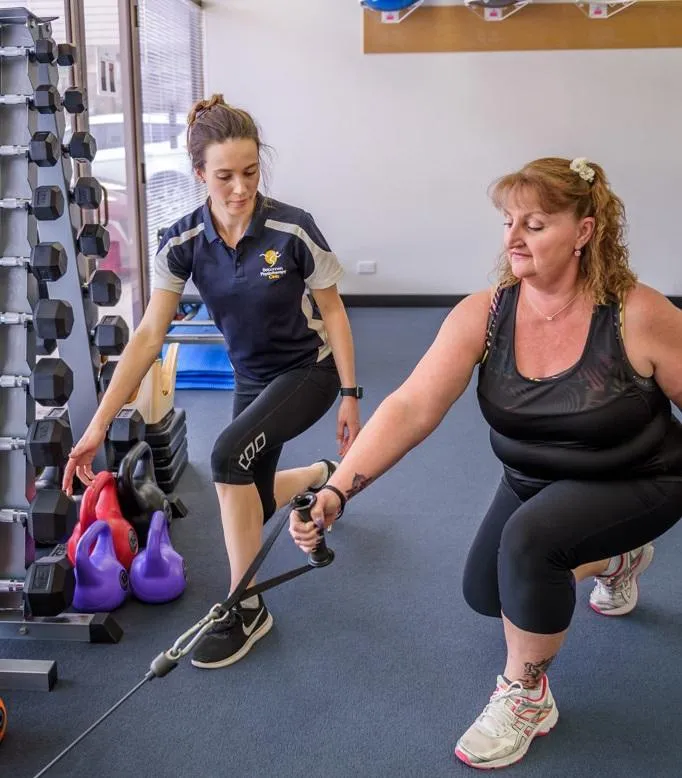
What Sets Us Apart?
At Belconnen Physiotherapy clinic, we have been looking after Belconnen's injured people for more than 50 years.
All our clinicians are trained in managing hypermobility and Ehlers Danlos syndrome.
We use a whole person, long term approach to physical health and well-being.
We provide individualised clinical Pilates
Confused about your pain and not sure what to do?
Get clear, professional advice in our free downloadable information packs
Back Pain
Understand why back pain happens and how to help it
Shoulder Pain
Understand why shoulder pain happens and how to help it
Knee Pain
Understand why knee pain happens and how to help it
How Can We Help?
At Belconnen Physiotherapy we treat a wide range of conditions from everyday aches to complex injuries. Whether you're dealing with a recent injury or something that’s been nagging you for a while, our experienced physiotherapists can help you understand the cause and work towards lasting relief.
We commonly help clients with:
Back pain – from stiffness and postural strain to disc injuries and sciatica
Neck pain & headaches – including tension, whiplash and desk-related strain
Shoulder pain – such as rotator cuff issues, bursitis and frozen shoulder
Knee pain – from ligament injuries and arthritis to patellofemoral pain
Hip & pelvic pain – affecting movement, stability or sleep
Ankle & foot problems – including sprains, Achilles issues and plantar fasciitis
Post-surgical recovery – regain strength and mobility after orthopaedic surgery
Sports injuries – from sprains and strains to overuse injuries
Balance and dizziness issues – including BPPV and vestibular dysfunction
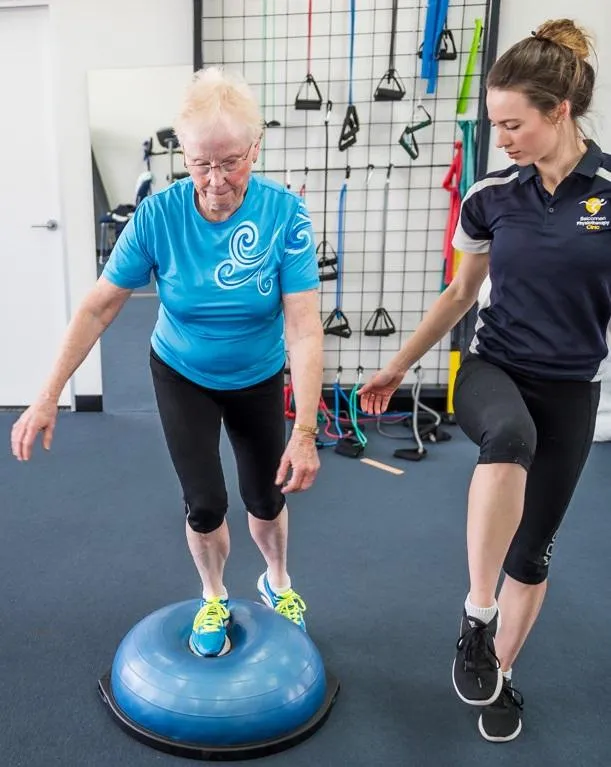
Contact us today to speak with our friendly team and find out how we can help you feel your best
Latest Tips and Advice
Lateral Ankle Sprain Treatment in Canberra: How Physiotherapy Can Help You Recover
A lateral ankle sprain is one of the most common musculoskeletal injuries, affecting people of all ages and activity levels. Whether you've rolled your ankle playing sport, stepping off a kerb, hiking around Canberra, or simply slipping on uneven ground, the injury can make walking, exercising and even everyday activities uncomfortable.
While many people assume a rolled ankle will heal on its own, appropriate assessment and rehabilitation can help restore strength, balance and confidence while reducing the likelihood of ongoing ankle problems.
At Belconnen Physiotherapy Clinic, we assess and manage ankle injuries with personalised treatment plans designed to support your recovery and help you safely return to the activities you enjoy.
What Is a Lateral Ankle Sprain?
A lateral ankle sprain occurs when the foot rolls inward, stretching or tearing the ligaments on the outside of the ankle. These ligaments help keep the ankle stable during movement.
This type of ankle injury commonly happens during:
Running or trail walking
Football, soccer, basketball and netball
Gym workouts
Uneven footpaths or stairs
Everyday slips and trips
The severity can range from mild ligament stretching to more significant tears requiring a longer rehabilitation period.
What Are the Symptoms of a Rolled Ankle?
Common symptoms of a rolled ankle include:
Pain on the outside of the ankle
Swelling
Bruising
Difficulty walking
Tenderness when touching the injured area
Feeling that the ankle is unstable
Reduced movement and stiffness
Some people may also hear or feel a "pop" when the injury occurs, although this doesn't necessarily indicate the severity.
If you're unable to bear weight, have severe swelling or significant deformity, medical assessment is recommended to determine whether imaging or further investigation is appropriate.
Why Is Physiotherapy Helpful After an Ankle Sprain?
Many ankle sprains improve over time, but symptoms don't always resolve completely without rehabilitation.
An ankle physiotherapist can assess factors such as:
Ligament injury
Joint mobility
Muscle strength
Balance and coordination
Walking and running mechanics
Return-to-sport readiness
Addressing these areas may help improve ankle function and reduce the risk of future sprains.
How Does Ankle Physiotherapy Help?
Every injury is different, so treatment is tailored to your individual needs and goals.
Your ankle physiotherapy program may include:
Education
Understanding your injury, expected recovery and activity modifications can help you manage symptoms during healing.
Hands-On Treatment
Depending on your presentation, treatment may include manual therapy techniques aimed at improving joint movement and reducing stiffness where clinically appropriate.
Exercise Rehabilitation
Exercise forms an important part of recovery and may include:
Gentle mobility exercises
Progressive strengthening
Balance training
Proprioception exercises
Functional movement retraining
Sport-specific rehabilitation
These exercises are progressed according to your symptoms and recovery.
Return to Sport Guidance
If you participate in sport, your physiotherapist can help determine when it is appropriate to gradually return to training and competition.
How Long Does a Lateral Ankle Sprain Take to Heal?
Recovery varies depending on:
The severity of the ligament injury
Previous ankle injuries
General health
Activity levels
Adherence to rehabilitation
Minor sprains may improve over several weeks, while more significant injuries can take several months before returning to higher-level sporting activities.
Your physiotherapist can monitor your progress and adjust your rehabilitation as your ankle improves.
Can You Walk on a Sprained Ankle?
Many people can walk after a lateral ankle sprain, although it may be painful.
Walking on an injured ankle too aggressively before it is ready may aggravate symptoms. An assessment can help determine the appropriate level of activity and whether temporary support such as taping, bracing or modified exercise is suitable.
What Happens If a Rolled Ankle Isn't Properly Rehabilitated?
Without appropriate rehabilitation, some people may experience:
Ongoing ankle pain
Recurrent ankle sprains
Persistent swelling
Reduced confidence during sport
Difficulty on uneven ground
Reduced balance
Not everyone develops these issues, but addressing strength, balance and movement may help reduce the likelihood of recurring problems.
Frequently Asked Questions
Should I see a physiotherapist after rolling my ankle?
If your ankle remains painful, swollen or unstable after a rolled ankle, a physiotherapy assessment can help identify the structures involved and guide an appropriate rehabilitation plan.
Do I need an X-ray?
Not every ankle injury requires imaging. Your physiotherapist can assess your symptoms and, where appropriate, recommend referral for further investigation if a fracture or other significant injury is suspected.
Can I keep exercising?
This depends on your symptoms and the severity of your injury. In many cases, activity can be modified while your ankle recovers. Your physiotherapist can provide advice about suitable exercises during each stage of rehabilitation.
Will ankle braces or taping help?
Some people may benefit from temporary taping or bracing during recovery or when returning to sport. Whether this is appropriate depends on your individual situation and should complement an exercise-based rehabilitation program.
Lateral Ankle Sprain Physiotherapy in Canberra
If you're experiencing ankle pain following a rolled ankle, early assessment can help identify the extent of your injury and provide guidance on managing your recovery.
At Belconnen Physiotherapy Clinic, we help people from Belconnen, Bruce, Gungahlin, Lawson, Kaleen, Macquarie, Hawker, Page, Cook and throughout Canberra with assessment and rehabilitation for a wide range of ankle injuries.
Our goal is to provide clear advice, evidence-informed treatment and an individualised rehabilitation program to support your return to everyday activities, work and sport.
Book an Appointment
If you've recently suffered a lateral ankle sprain, or your ankle continues to feel painful or unstable after a previous injury, the team at Belconnen Physiotherapy Clinic is here to help.
Contact our clinic to arrange an assessment with an experienced ankle physiotherapist.





Belconnen Physiotherapy is powered by Vitala Health, a group of Allied Health Practices across New Zealand and Australia.
Vitala Health provides clinical solutions that supports clients health and lifestyle needs through best practice treatment, premium facilities, education and ongoing commitment to customer service. Learn more about Vitala Health
If you have any questions before scheduling an appointment or for general enquiries, please contact us. Our team will promptly reach out to assist you.
Opening Hours
Mon: 8:00am - 6:00pm
Tue: 8:00am - 6:00pm
Wed: 8:00am - 6:00pm
Thu: 8:00am - 6:00pm
Fri: 8:00am - 5:00pm
Sat: Closed
Sun: Closed



Follow Us
The Clinic
Common Conditions
Belconnen Physiotherapy Clinic
© Copyright 2026 Vitala Health. All Rights Reserved.
Facebook
Instagram