
Are You Looking For a Physiotherapist In Belconnen, Australian Capital Territory?
Why Book at Belconnen Physiotherapy Clinic?
Expert Care. Results Focused Approach. Convenient Location.
When it comes to your health, you deserve dedicated support, and that is exactly what we aim to deliver.
At Belconnen Physiotherapy, we combine clinical expertise with genuine care to provide results-driven physiotherapy that puts you first.
Our experienced team doesn’t just treat symptoms, we pride ourselves on our pain to performance approach to client care where we take the time to understand the root cause of your pain and create a personalised plan to help you move better, feel stronger and get back to what you love. Our model is relieving symptoms, restoring function and improving your long term health.
Because it's not just about living longer—it's about living well. Prioritising your health span means staying active and independent for as many years as possible.
Make your health a priority and book an appointment with one of our expert physios and take the first step towards better health.
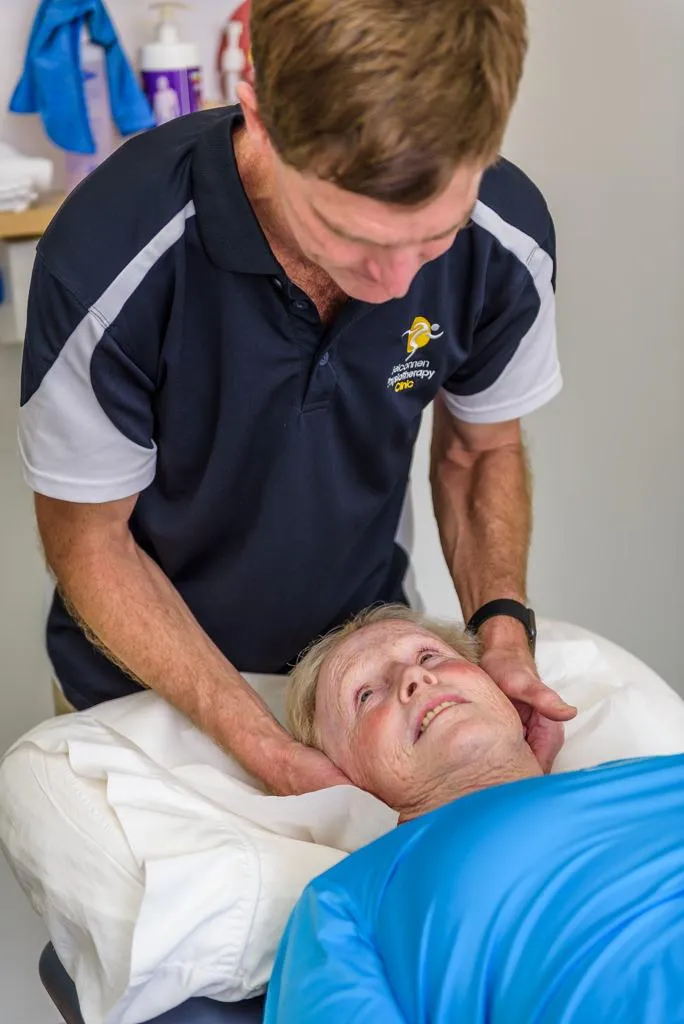
Our clinical team are experts in managing acute injuries and helping with recovery from longer-term movement problems. “Our philosophy is simple: We Care” and we've been doing that in Belconnen for more than 50 years.
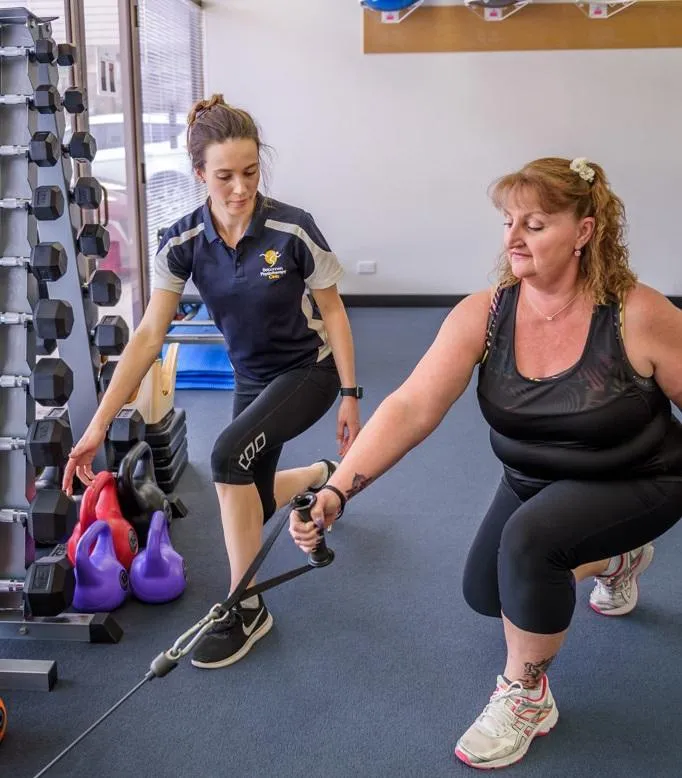
What Sets Us Apart?
At Belconnen Physiotherapy clinic, we have been looking after Belconnen's injured people for more than 50 years.
All our clinicians are trained in managing hypermobility and Ehlers Danlos syndrome.
We use a whole person, long term approach to physical health and well-being.
We provide individualised clinical Pilates
Confused about your pain and not sure what to do?
Get clear, professional advice in our free downloadable information packs
Back Pain
Understand why back pain happens and how to help it
Shoulder Pain
Understand why shoulder pain happens and how to help it
Knee Pain
Understand why knee pain happens and how to help it
How Can We Help?
At Belconnen Physiotherapy we treat a wide range of conditions from everyday aches to complex injuries. Whether you're dealing with a recent injury or something that’s been nagging you for a while, our experienced physiotherapists can help you understand the cause and work towards lasting relief.
We commonly help clients with:
Back pain – from stiffness and postural strain to disc injuries and sciatica
Neck pain & headaches – including tension, whiplash and desk-related strain
Shoulder pain – such as rotator cuff issues, bursitis and frozen shoulder
Knee pain – from ligament injuries and arthritis to patellofemoral pain
Hip & pelvic pain – affecting movement, stability or sleep
Ankle & foot problems – including sprains, Achilles issues and plantar fasciitis
Post-surgical recovery – regain strength and mobility after orthopaedic surgery
Sports injuries – from sprains and strains to overuse injuries
Balance and dizziness issues – including BPPV and vestibular dysfunction
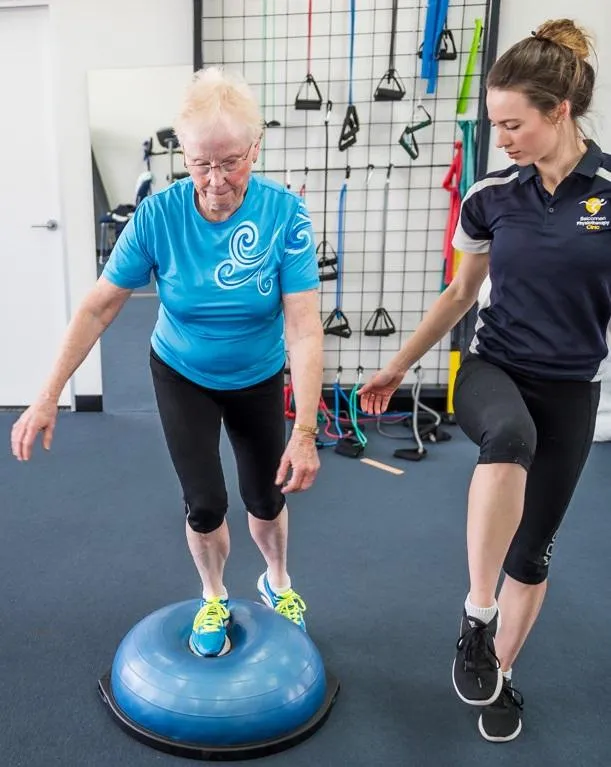
Contact us today to speak with our friendly team and find out how we can help you feel your best
Latest Tips and Advice
Flexor Hallucis Longus Tendinopathy: Physiotherapy Treatment in Canberra
Understanding Flexor Hallucis Longus Tendinopathy and How Physiotherapy Can Help
Pain around the inside of the ankle, along the arch of the foot, or near the big toe can sometimes be linked to irritation of the flexor hallucis longus (FHL) tendon. Flexor hallucis longus tendinopathy is a condition affecting the tendon that helps bend the big toe and plays an important role during walking, running and activities that require pushing off through the foot.
At Belconnen Physiotherapy Clinic, we regularly see people in Canberra seeking help for persistent foot and ankle pain that affects their exercise, sport, work or daily activities. Understanding the cause of symptoms is an important first step towards developing an appropriate management plan.
What Is Flexor Hallucis Longus Tendinopathy?
The flexor hallucis longus is a tendon located deep at the back of the lower leg. It runs behind the ankle and connects to the base of the big toe. Its main role is to assist with bending the big toe downwards and providing stability during the push-off phase of walking and running.
Flexor hallucis longus tendinopathy occurs when the tendon becomes painful and sensitive, often due to repeated loading over time. It is commonly seen in runners, dancers, athletes and people who regularly perform activities involving repetitive toe movement or strong push-off forces.
Common contributing factors may include:
Sudden increases in training volume or intensity
Repetitive running, jumping or dancing movements
Changes in footwear or training surfaces
Reduced strength or control around the foot and ankle
Limited mobility in the ankle or big toe
Repeated stress without adequate recovery
What Are the Symptoms of Flexor Hallucis Longus Tendinopathy?
Symptoms can vary between individuals, but common signs may include:
Pain along the inside of the ankle
Discomfort around the arch of the foot
Pain near the base or underside of the big toe
Increased symptoms during running, jumping or walking uphill
Tenderness along the tendon pathway
Stiffness or discomfort after periods of rest
Some people notice symptoms only during activity, while others may experience ongoing discomfort that affects everyday movement.
If you are experiencing persistent foot or ankle pain, a physiotherapy assessment can help determine whether the flexor hallucis longus tendon may be contributing to your symptoms.
How Is Flexor Hallucis Longus Tendinopathy Diagnosed?
A physiotherapist will usually begin with a detailed assessment, including questions about:
When your symptoms started
Activities that increase or reduce pain
Your exercise, sporting or work demands
Previous injuries or changes in training
The assessment may include looking at foot and ankle movement, strength, balance, walking patterns and specific movements that load the tendon.
In some cases, further medical assessment or imaging may be considered depending on your presentation. A physiotherapist can help guide you on whether additional investigations may be appropriate.
How Can Physiotherapy Help With Flexor Hallucis Longus Tendinopathy?
Physiotherapy for flexor hallucis longus tendinopathy focuses on improving your ability to manage load, reduce aggravating factors and restore function.
Your physiotherapist may recommend a combination of strategies such as:
Exercise-Based Rehabilitation
Progressive strengthening exercises are often an important part of tendon rehabilitation. These exercises aim to gradually improve the capacity of the tendon and surrounding muscles to tolerate everyday and sporting demands.
A rehabilitation program may include:
Calf and foot strengthening exercises
Big toe and foot control exercises
Balance and stability exercises
Gradual return-to-running or sport-specific exercises
The exercises provided will depend on your symptoms, goals and activity requirements.
Managing Activity Loads
One of the key principles in managing tendon pain is finding an appropriate balance between activity and recovery.
Your physiotherapist can help you understand:
Which activities may be contributing to your symptoms
How to modify training without unnecessary restriction
How to gradually increase activity levels safely
Addressing Contributing Factors
Treatment may also consider other factors that influence foot and ankle function, including:
Ankle mobility
Foot strength and coordination
Running technique
Training habits
Footwear considerations
Frequently Asked Questions About Flexor Hallucis Longus Tendinopathy
Can you walk with flexor hallucis longus tendinopathy?
Many people can continue walking with FHL tendinopathy, although symptoms may increase with longer distances or higher-demand activities. A physiotherapist can help identify appropriate activity modifications while maintaining movement where possible.
How long does flexor hallucis longus tendinopathy take to improve?
Recovery time varies depending on factors such as symptom severity, activity demands, tendon capacity and consistency with rehabilitation. Tendons often require gradual progression of loading rather than quick changes.
Should I stop running if I have FHL tendon pain?
Not necessarily. Some people may be able to continue running with appropriate adjustments, while others may need temporary modifications. A physiotherapy assessment can help determine a suitable approach based on your individual circumstances.
Can physiotherapy help with foot and ankle tendon pain?
Physiotherapy can assist with many tendon-related conditions by addressing contributing factors, improving strength and helping people return to their desired activities.
Physiotherapy for Flexor Hallucis Longus Tendinopathy in Canberra
If you are experiencing pain around your ankle, foot or big toe that may be related to flexor hallucis longus tendinopathy, the team at Belconnen Physiotherapy Clinic can help assess your symptoms and develop an individualised management plan.
Early assessment can provide a clearer understanding of your condition and the steps that may help you return to your usual activities with confidence.
Book an appointment with Belconnen Physiotherapy Clinic in Canberra today to discuss your foot or ankle pain and find out how physiotherapy may help. Contact our clinic to arrange your assessment.





Belconnen Physiotherapy is powered by Vitala Health, a group of Allied Health Practices across New Zealand and Australia.
Vitala Health provides clinical solutions that supports clients health and lifestyle needs through best practice treatment, premium facilities, education and ongoing commitment to customer service. Learn more about Vitala Health
If you have any questions before scheduling an appointment or for general enquiries, please contact us. Our team will promptly reach out to assist you.
Opening Hours
Mon: 8:00am - 6:00pm
Tue: 8:00am - 6:00pm
Wed: 8:00am - 6:00pm
Thu: 8:00am - 6:00pm
Fri: 8:00am - 5:00pm
Sat: Closed
Sun: Closed




Follow Us
The Clinic
Common Conditions
Belconnen Physiotherapy Clinic
© Copyright 2026 Vitala Health. All Rights Reserved.
Facebook
Instagram