
Are You Looking For a Physiotherapist In Belconnen, Australian Capital Territory?
Why Book at Belconnen Physiotherapy Clinic?
Expert Care. Results Focused Approach. Convenient Location.
When it comes to your health, you deserve dedicated support, and that is exactly what we aim to deliver.
At Belconnen Physiotherapy, we combine clinical expertise with genuine care to provide results-driven physiotherapy that puts you first.
Our experienced team doesn’t just treat symptoms, we pride ourselves on our pain to performance approach to client care where we take the time to understand the root cause of your pain and create a personalised plan to help you move better, feel stronger and get back to what you love. Our model is relieving symptoms, restoring function and improving your long term health.
Because it's not just about living longer—it's about living well. Prioritising your health span means staying active and independent for as many years as possible.
Make your health a priority and book an appointment with one of our expert physios and take the first step towards better health.
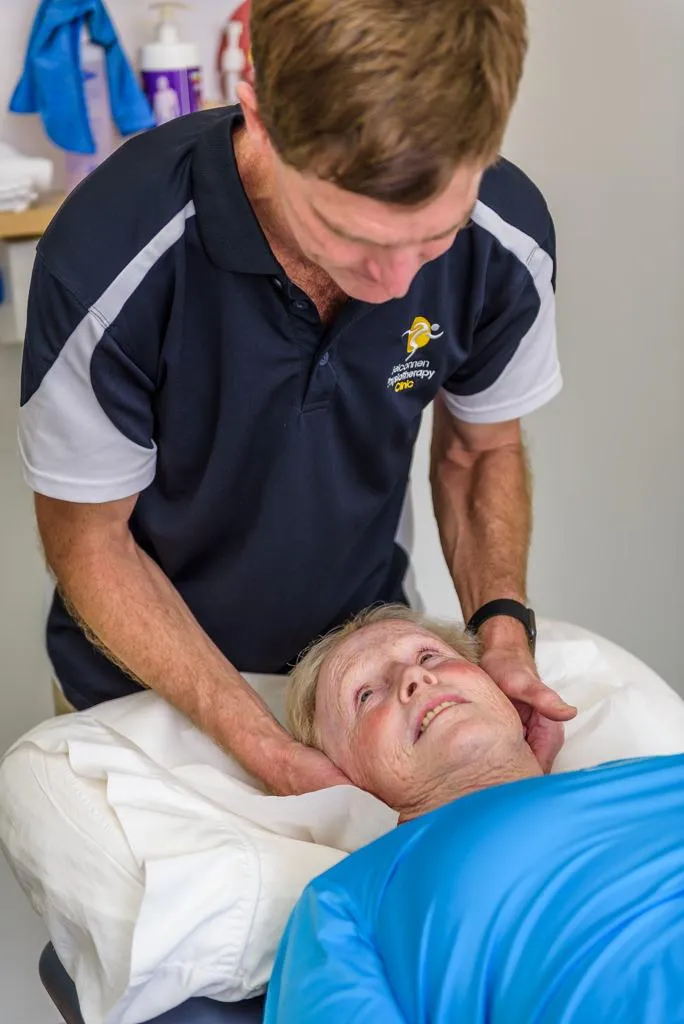
Our clinical team are experts in managing acute injuries and helping with recovery from longer-term movement problems. “Our philosophy is simple: We Care” and we've been doing that in Belconnen for more than 50 years.
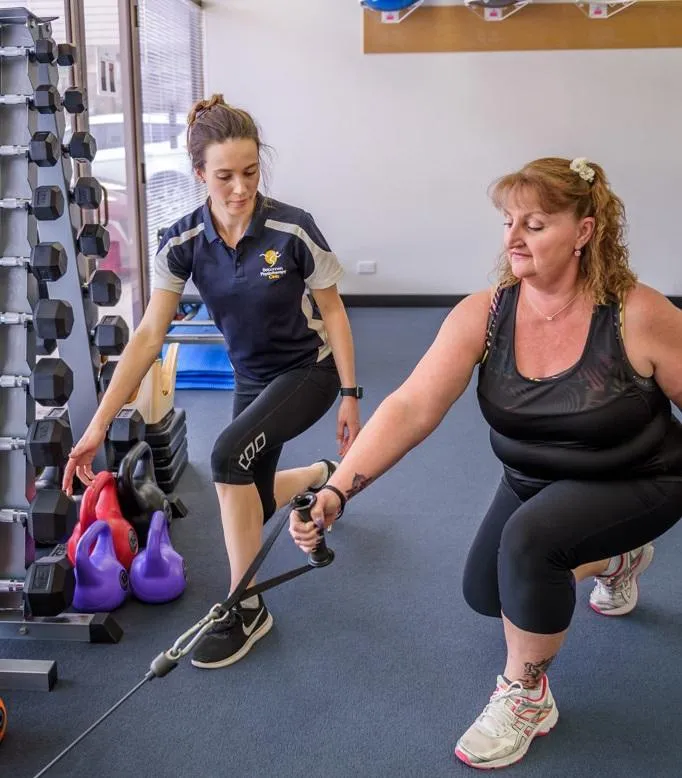
What Sets Us Apart?
At Belconnen Physiotherapy clinic, we have been looking after Belconnen's injured people for more than 50 years.
All our clinicians are trained in managing hypermobility and Ehlers Danlos syndrome.
We use a whole person, long term approach to physical health and well-being.
We provide individualised clinical Pilates
Confused about your pain and not sure what to do?
Get clear, professional advice in our free downloadable information packs
Back Pain
Understand why back pain happens and how to help it
Shoulder Pain
Understand why shoulder pain happens and how to help it
Knee Pain
Understand why knee pain happens and how to help it
How Can We Help?
At Belconnen Physiotherapy we treat a wide range of conditions from everyday aches to complex injuries. Whether you're dealing with a recent injury or something that’s been nagging you for a while, our experienced physiotherapists can help you understand the cause and work towards lasting relief.
We commonly help clients with:
Back pain – from stiffness and postural strain to disc injuries and sciatica
Neck pain & headaches – including tension, whiplash and desk-related strain
Shoulder pain – such as rotator cuff issues, bursitis and frozen shoulder
Knee pain – from ligament injuries and arthritis to patellofemoral pain
Hip & pelvic pain – affecting movement, stability or sleep
Ankle & foot problems – including sprains, Achilles issues and plantar fasciitis
Post-surgical recovery – regain strength and mobility after orthopaedic surgery
Sports injuries – from sprains and strains to overuse injuries
Balance and dizziness issues – including BPPV and vestibular dysfunction
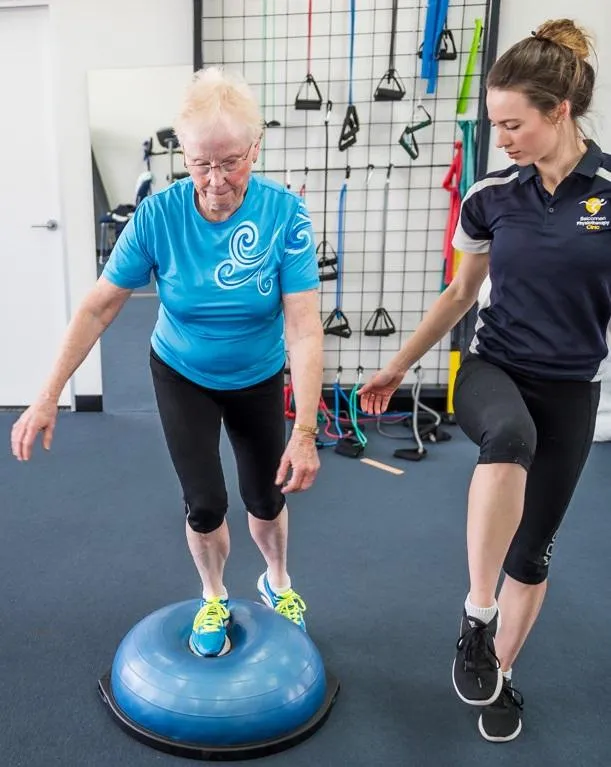
Contact us today to speak with our friendly team and find out how we can help you feel your best
Latest Tips and Advice
Clinical Pilates and Why It’s So Good for Recovery
If you’re preparing for surgery — or already planning your post-surgery recovery — you’ve probably heard your physiotherapist mention Clinical Pilates. You might think of Pilates as something done in a gym or studio, but when it’s guided by a physiotherapist, it becomes a powerful, evidence-based form of rehabilitation.
At our Belconnen Physiotherapy Clinic in Canberra, we often use Clinical Pilates as part of recovery programs to help people regain strength, stability, and confidence after injury or surgery. Whether you’re recovering from joint replacement, spinal surgery, or soft-tissue repair, Clinical Pilates can help your body heal safely and effectively.
What Is Clinical Pilates?
Clinical Pilates is a form of physiotherapy-guided exercise designed to improve core control, posture, balance, and overall movement quality. It combines traditional Pilates techniques with physiotherapy knowledge to ensure that every exercise is tailored to your individual needs, goals, and surgical background.
Unlike general fitness classes, Clinical Pilates is customised — your physiotherapist assesses your mobility, strength, and recovery stage before designing a program. Exercises are often performed using equipment such as reformers, mats, and resistance bands, allowing for safe, controlled movements that progress as your body heals.
Why Clinical Pilates Is So Beneficial After Surgery
Surgery can leave the body weaker, stiffer, and less coordinated. It’s natural for muscles around the operated area to lose strength and for movement patterns to change as your body protects itself during healing. Clinical Pilates focuses on rebuilding strength, balance, and confidence — step by step.
Here’s how it helps:
1. Restores Core Strength and Stability
After surgery, your body needs strong, stable muscles to support recovery. Clinical Pilates targets the deep core muscles, which provide stability for your spine, hips, and pelvis. By improving control through your centre, you reduce strain on joints and surgical areas, allowing more efficient movement.
This is especially helpful for people recovering from back, hip, or abdominal surgery.
2. Improves Posture and Alignment
It’s common to develop protective postures after surgery — such as hunching or favouring one side — which can lead to pain or stiffness in other areas. Clinical Pilates helps retrain your posture by focusing on alignment and balanced movement.
Under physiotherapist guidance, you’ll learn to move evenly and confidently, which can reduce compensations and speed up overall recovery.
3. Supports Safe, Controlled Movement
Clinical Pilates uses low-impact exercises that focus on precision rather than intensity. This makes it ideal for the early stages of rehab, where healing tissues need gentle activation without excessive stress.
Because it’s guided by a physiotherapist, each exercise is safe, adapted to your surgery type, and gradually progressed as your strength returns.
4. Enhances Flexibility and Range of Motion
Tightness and stiffness are common after surgery, especially when movement is restricted for a while. Clinical Pilates uses controlled stretching and mobility exercises to improve flexibility safely, restoring movement without overloading healing joints or muscles.
This helps you return to everyday activities — walking, sitting, or exercising — more comfortably and with better control.
5. Reduces Pain and Aids Circulation
Gentle movement encourages blood flow, reduces inflammation, and helps manage post-surgical pain. Clinical Pilates exercises promote circulation, which supports healing and helps prevent complications like stiffness or swelling.
Your physiotherapist can also combine Pilates with manual therapy or other physiotherapy techniques to relieve discomfort and improve recovery outcomes.
6. Prepares You for a Safe Return to Activity
Whether your goal is to return to sport, get back to work, or simply move without pain, Clinical Pilates bridges the gap between recovery and daily life. It helps retrain your body to handle real-world movements — bending, lifting, climbing stairs — with proper muscle activation and balance.
Over time, it becomes a valuable part of ongoing strength and injury prevention, not just post-surgery rehab.
How Physiotherapists Use Clinical Pilates in Rehab
At our Canberra physiotherapy clinic, your Clinical Pilates journey begins with a one-on-one assessment. Your physiotherapist will:
• Review your medical history and surgical details
• Identify current strength, mobility, and balance levels
• Develop a tailored Clinical Pilates plan suited to your stage of recovery
Sessions are guided closely, ensuring every exercise is performed correctly. As your confidence and control improve, the exercises become more dynamic to support your long-term goals.
Practical Tips for Getting the Most from Clinical Pilates
Start slow: Allow your body time to adjust — consistency is more important than intensity.
Communicate with your physio: Let them know how your body feels after each session.
Combine with daily movement: Gentle walking or stretching complements your Pilates routine.
Focus on breathing: Controlled breathing enhances stability and muscle activation.
Stick with it: Many people continue Pilates even after rehab because of how great it makes them feel.
Take the Next Step Toward a Stronger Recovery
If you’re preparing for surgery or recovering afterward, Clinical Pilates can be an excellent way to rebuild strength, restore movement, and reduce pain — all under professional guidance.
At our Belconnen Physiotherapy Clinic in Canberra, our physiotherapists use Clinical Pilates to help clients recover safely and confidently, no matter where they are in their rehab journey.
Book an appointment today to start your personalised Clinical Pilates program and take the first step toward better recovery and movement.





Belconnen Physiotherapy is powered by Vitala Health, a group of Allied Health Practices across New Zealand and Australia.
Vitala Health provides clinical solutions that supports clients health and lifestyle needs through best practice treatment, premium facilities, education and ongoing commitment to customer service. Learn more about Vitala Health
If you have any questions before scheduling an appointment or for general enquiries, please contact us. Our team will promptly reach out to assist you.
Opening Hours
Mon: 8:00am - 6:00pm
Tue: 8:00am - 6:00pm
Wed: 8:00am - 6:00pm
Thu: 8:00am - 6:00pm
Fri: 8:00am - 5:00pm
Sat: Closed
Sun: Closed



Follow Us
The Clinic
Common Conditions
Belconnen Physiotherapy Clinic
© Copyright 2026 Vitala Health. All Rights Reserved.
Facebook
Instagram