
Are You Looking For a Physiotherapist In Belconnen, Australian Capital Territory?
Why Book at Belconnen Physiotherapy Clinic?
Expert Care. Results Focused Approach. Convenient Location.
When it comes to your health, you deserve dedicated support, and that is exactly what we aim to deliver.
At Belconnen Physiotherapy, we combine clinical expertise with genuine care to provide results-driven physiotherapy that puts you first.
Our experienced team doesn’t just treat symptoms, we pride ourselves on our pain to performance approach to client care where we take the time to understand the root cause of your pain and create a personalised plan to help you move better, feel stronger and get back to what you love. Our model is relieving symptoms, restoring function and improving your long term health.
Because it's not just about living longer—it's about living well. Prioritising your health span means staying active and independent for as many years as possible.
Make your health a priority and book an appointment with one of our expert physios and take the first step towards better health.
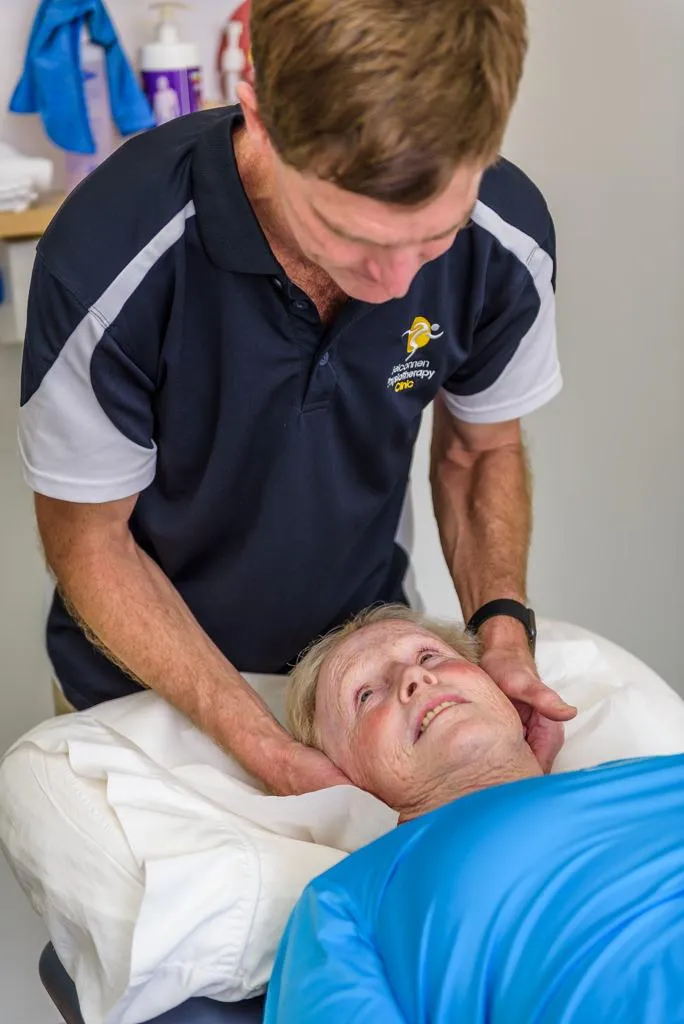
Our clinical team are experts in managing acute injuries and helping with recovery from longer-term movement problems. “Our philosophy is simple: We Care” and we've been doing that in Belconnen for more than 50 years.
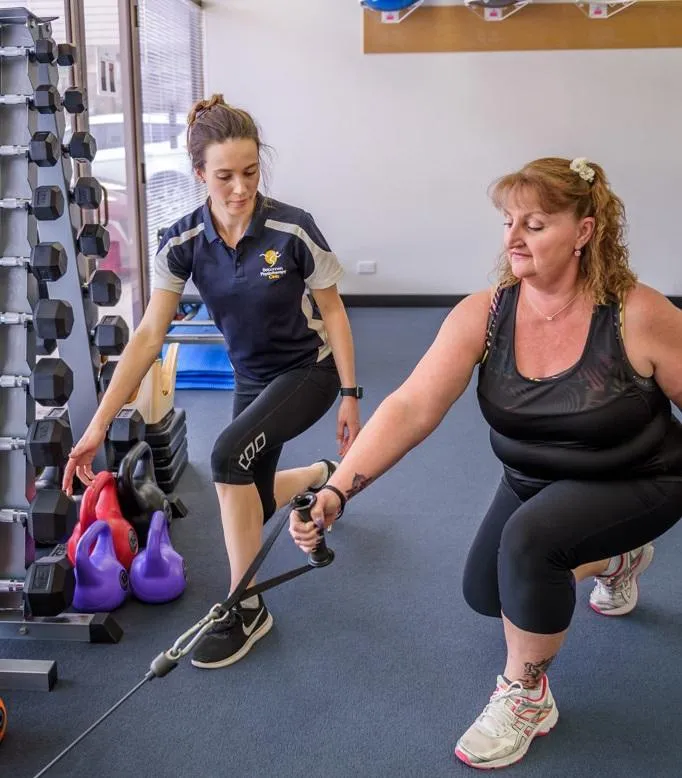
What Sets Us Apart?
At Belconnen Physiotherapy clinic, we have been looking after Belconnen's injured people for more than 50 years.
All our clinicians are trained in managing hypermobility and Ehlers Danlos syndrome.
We use a whole person, long term approach to physical health and well-being.
We provide individualised clinical Pilates
Confused about your pain and not sure what to do?
Get clear, professional advice in our free downloadable information packs
Back Pain
Understand why back pain happens and how to help it
Shoulder Pain
Understand why shoulder pain happens and how to help it
Knee Pain
Understand why knee pain happens and how to help it
How Can We Help?
At Belconnen Physiotherapy we treat a wide range of conditions from everyday aches to complex injuries. Whether you're dealing with a recent injury or something that’s been nagging you for a while, our experienced physiotherapists can help you understand the cause and work towards lasting relief.
We commonly help clients with:
Back pain – from stiffness and postural strain to disc injuries and sciatica
Neck pain & headaches – including tension, whiplash and desk-related strain
Shoulder pain – such as rotator cuff issues, bursitis and frozen shoulder
Knee pain – from ligament injuries and arthritis to patellofemoral pain
Hip & pelvic pain – affecting movement, stability or sleep
Ankle & foot problems – including sprains, Achilles issues and plantar fasciitis
Post-surgical recovery – regain strength and mobility after orthopaedic surgery
Sports injuries – from sprains and strains to overuse injuries
Balance and dizziness issues – including BPPV and vestibular dysfunction
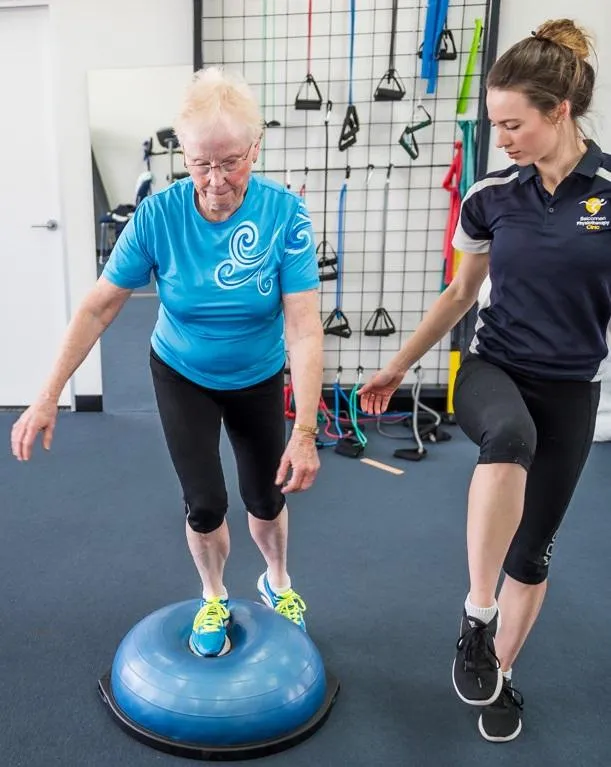
Contact us today to speak with our friendly team and find out how we can help you feel your best
Latest Tips and Advice
Snapping Hip Syndrome: Causes, Symptoms and Physiotherapy Treatment in Canberra
Have you noticed a snapping, clicking or popping sensation around your hip when walking, standing up or exercising? While this can be concerning, it is a relatively common condition known as Snapping Hip Syndrome. In many people, the snapping is painless, but for others it can cause discomfort, limit activity and interfere with sport or daily life.
At Belconnen Physiotherapy Clinic, we regularly assess people with hip pain and movement-related conditions. Understanding the cause of your symptoms is the first step towards finding an appropriate management plan.
What is Snapping Hip Syndrome?
Snapping Hip Syndrome occurs when a tendon or muscle moves over a bony prominence around the hip, creating a snapping or clicking sensation. The snapping may be felt on the outside, front or deep inside the hip depending on the structures involved.
The condition is common in:
Runners
Dancers
Football and soccer players
Gymnasts
Cyclists
Active adults
People whose work involves repetitive hip movements
Not everyone with a snapping hip experiences pain, but persistent symptoms should be assessed to determine whether treatment is appropriate.
What causes Snapping Hip Syndrome?
Several structures around the hip can produce the snapping sensation.
External Snapping Hip
This is the most common type. It occurs when the iliotibial band (ITB) or the gluteus maximus tendon moves over the greater trochanter on the outside of the hip.
It is often noticed during walking, running or climbing stairs.
Internal Snapping Hip
Internal snapping occurs when the iliopsoas tendon moves across structures at the front of the hip. This type is commonly felt when lifting the knee or moving from sitting to standing.
Intra-articular Snapping
Occasionally, the clicking originates inside the hip joint itself. This may be associated with cartilage changes or other joint-related conditions and may require further assessment.
What are the symptoms?
Symptoms vary between individuals but may include:
A snapping or popping sensation in the hip
Audible clicking during movement
Hip stiffness
Pain at the front or outside of the hip
Tenderness around the hip
Reduced sporting performance
Discomfort after prolonged activity
Symptoms when standing from sitting
Pain is not always present, but ongoing clicking with discomfort or reduced function should not be ignored.
What increases the risk?
Several factors may contribute to Snapping Hip Syndrome, including:
Repetitive hip flexion
Sudden increases in training load
Muscle tightness
Hip weakness
Reduced pelvic control
Poor movement patterns
Previous hip injury
Identifying contributing factors allows treatment to be tailored to the individual rather than simply addressing the symptoms.
How is Snapping Hip Syndrome diagnosed?
A physiotherapist will perform a comprehensive assessment that includes:
Discussion of your symptoms
Assessment of hip movement
Strength testing
Functional movement assessment
Identification of movements that reproduce the snapping
Imaging is not always necessary. However, your physiotherapist or GP may recommend further investigations if symptoms suggest another underlying condition.
How can physiotherapy help?
Physiotherapy aims to identify the factors contributing to your symptoms and develop an individual management plan.
Your treatment may include:
Education
Understanding why the hip snaps can help reduce uncertainty and guide appropriate activity modification.
Exercise Therapy
A personalised exercise program may include:
Hip strengthening
Gluteal strengthening
Core stability exercises
Pelvic control exercises
Progressive loading
Functional rehabilitation
Mobility Exercises
Improving flexibility where appropriate may help reduce excessive tension around the hip while maintaining healthy movement.
Activity Modification
Temporary adjustments to training volume or repetitive movements may allow irritated tissues to settle while maintaining overall fitness.
Return to Sport Guidance
For active individuals, rehabilitation usually includes gradually returning to running, sport or recreational activities while monitoring symptoms.
Frequently Asked Questions
Is Snapping Hip Syndrome serious?
In many cases, the snapping itself is not harmful. However, if it is painful, persistent or affecting your daily activities, it is worth having it assessed by a physiotherapist.
Can Snapping Hip Syndrome go away on its own?
Some mild cases improve with reduced aggravating activities. Persistent symptoms often benefit from assessment and an individualised exercise program.
Should I stop exercising?
Not necessarily. Continuing appropriate activity is often encouraged, although temporary modifications may be recommended depending on your symptoms.
When should I see a physiotherapist?
Consider booking an assessment if you experience:
Ongoing hip pain
Recurrent snapping with discomfort
Difficulty exercising
Hip weakness
Reduced mobility
Symptoms that persist despite rest
Early assessment can help identify contributing factors and guide appropriate management.
Physiotherapy for Snapping Hip Syndrome in Canberra
If you're experiencing hip clicking, snapping or discomfort, the team at Belconnen Physiotherapy Clinic provides comprehensive physiotherapy assessments for people across Belconnen, Bruce, Kaleen, Hawker, Macquarie, Page, Cook, Aranda and the wider Canberra region.
Every person's hip condition is different, so management should be based on a thorough assessment and your individual goals.
Book an Appointment
If snapping or clicking in your hip is affecting your comfort, exercise or everyday activities, the team at Belconnen Physiotherapy Clinic is here to help.
Contact our Canberra clinic on (02) 6251 3487 to arrange an assessment. We'll work with you to understand your symptoms, discuss suitable management options and develop an individual treatment plan that supports your goals.





Belconnen Physiotherapy is powered by Vitala Health, a group of Allied Health Practices across New Zealand and Australia.
Vitala Health provides clinical solutions that supports clients health and lifestyle needs through best practice treatment, premium facilities, education and ongoing commitment to customer service. Learn more about Vitala Health
If you have any questions before scheduling an appointment or for general enquiries, please contact us. Our team will promptly reach out to assist you.
Opening Hours
Mon: 8:00am - 6:00pm
Tue: 8:00am - 6:00pm
Wed: 8:00am - 6:00pm
Thu: 8:00am - 6:00pm
Fri: 8:00am - 5:00pm
Sat: Closed
Sun: Closed




Follow Us
The Clinic
Common Conditions
Belconnen Physiotherapy Clinic
© Copyright 2026 Vitala Health. All Rights Reserved.
Facebook
Instagram