
Are You Looking For a Physiotherapist In Belconnen, Australian Capital Territory?
Why Book at Belconnen Physiotherapy Clinic?
Expert Care. Results Focused Approach. Convenient Location.
When it comes to your health, you deserve dedicated support, and that is exactly what we aim to deliver.
At Belconnen Physiotherapy, we combine clinical expertise with genuine care to provide results-driven physiotherapy that puts you first.
Our experienced team doesn’t just treat symptoms, we pride ourselves on our pain to performance approach to client care where we take the time to understand the root cause of your pain and create a personalised plan to help you move better, feel stronger and get back to what you love. Our model is relieving symptoms, restoring function and improving your long term health.
Because it's not just about living longer—it's about living well. Prioritising your health span means staying active and independent for as many years as possible.
Make your health a priority and book an appointment with one of our expert physios and take the first step towards better health.
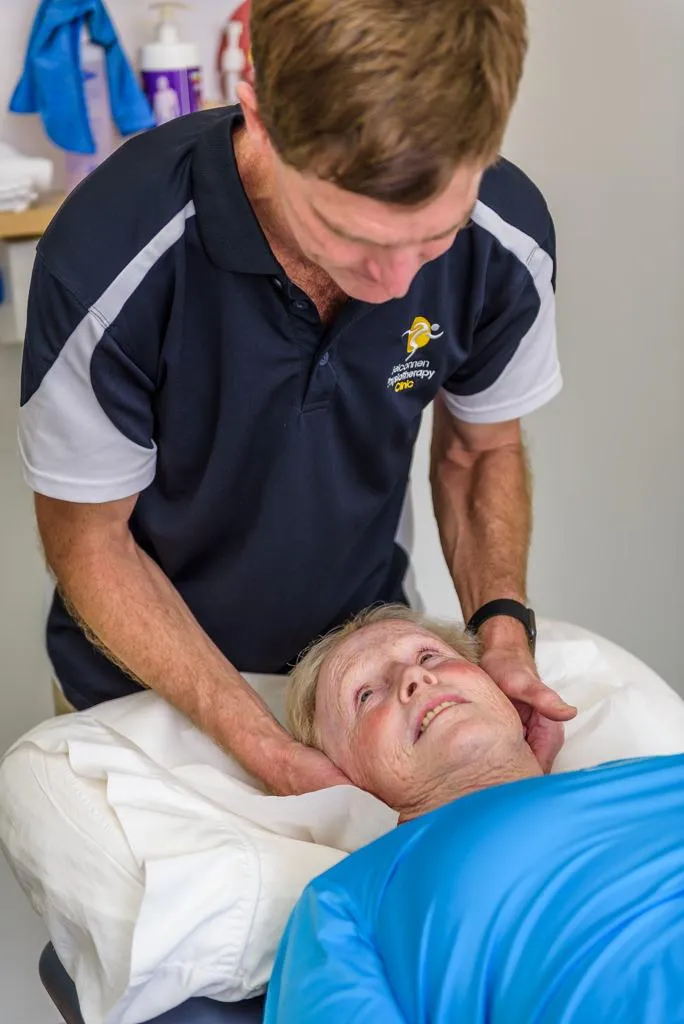
Our clinical team are experts in managing acute injuries and helping with recovery from longer-term movement problems. “Our philosophy is simple: We Care” and we've been doing that in Belconnen for more than 50 years.
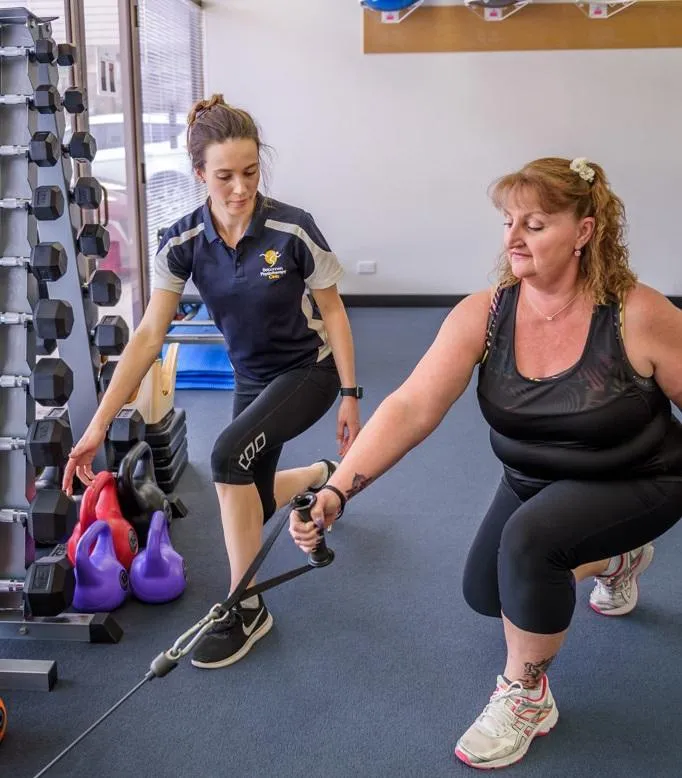
What Sets Us Apart?
At Belconnen Physiotherapy clinic, we have been looking after Belconnen's injured people for more than 50 years.
All our clinicians are trained in managing hypermobility and Ehlers Danlos syndrome.
We use a whole person, long term approach to physical health and well-being.
We provide individualised clinical Pilates
Confused about your pain and not sure what to do?
Get clear, professional advice in our free downloadable information packs
Back Pain
Understand why back pain happens and how to help it
Shoulder Pain
Understand why shoulder pain happens and how to help it
Knee Pain
Understand why knee pain happens and how to help it
How Can We Help?
At Belconnen Physiotherapy we treat a wide range of conditions from everyday aches to complex injuries. Whether you're dealing with a recent injury or something that’s been nagging you for a while, our experienced physiotherapists can help you understand the cause and work towards lasting relief.
We commonly help clients with:
Back pain – from stiffness and postural strain to disc injuries and sciatica
Neck pain & headaches – including tension, whiplash and desk-related strain
Shoulder pain – such as rotator cuff issues, bursitis and frozen shoulder
Knee pain – from ligament injuries and arthritis to patellofemoral pain
Hip & pelvic pain – affecting movement, stability or sleep
Ankle & foot problems – including sprains, Achilles issues and plantar fasciitis
Post-surgical recovery – regain strength and mobility after orthopaedic surgery
Sports injuries – from sprains and strains to overuse injuries
Balance and dizziness issues – including BPPV and vestibular dysfunction
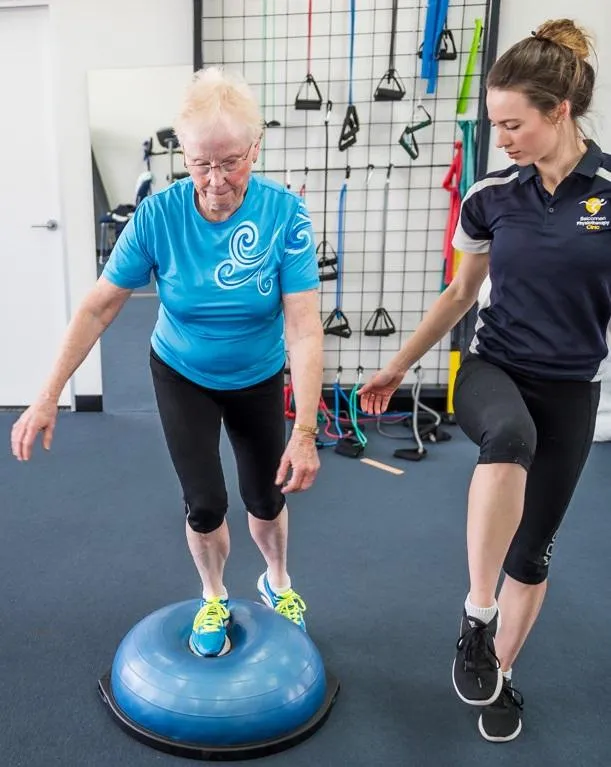
Contact us today to speak with our friendly team and find out how we can help you feel your best
Latest Tips and Advice
Hip Flexor Tendinopathy Physiotherapy in Canberra: Understanding Causes, Symptoms and Treatment
Hip flexor tendinopathy is a common cause of pain at the front of the hip and groin area, particularly in people who participate in running, sports, gym training or activities involving repeated hip movement. It can also affect people who spend long periods sitting or who have recently changed their exercise routine.
At Belconnen Physiotherapy Clinic in Canberra, we regularly help clients understand the causes of hip pain and develop appropriate management strategies. While hip flexor tendinopathy can be frustrating, a thorough assessment and a gradual approach to rehabilitation can help many people improve their movement, strength and confidence.
What is hip flexor tendinopathy?
Hip flexor tendinopathy refers to irritation and changes within the tendons of the muscles that help lift the thigh towards the body. The hip flexor group includes several muscles, with the iliopsoas being one of the key structures involved.
Tendons connect muscles to bones and help transfer force during movement. When the demands placed on a tendon exceed its ability to adapt, symptoms may develop. This does not always mean there is significant damage, but rather that the tendon may be responding poorly to repeated stress.
Hip flexor tendinopathy is different from a sudden muscle strain, which often occurs after an acute injury. Tendinopathy commonly develops gradually over time.
What are the common symptoms of hip flexor tendinopathy?
People with hip flexor tendinopathy may experience symptoms such as:
Pain at the front of the hip or in the groin region
Discomfort when lifting the knee towards the chest
Pain during running, kicking, climbing stairs or getting out of a chair
Tightness or stiffness around the hip
Reduced ability to perform sporting or exercise activities
Symptoms that worsen after increased activity levels
Pain patterns can vary between individuals. Some people may notice symptoms during activity, while others may experience discomfort afterwards or following periods of rest.
What causes hip flexor tendinopathy?
Hip flexor tendinopathy is usually related to repeated loading of the hip flexor muscles and tendons. Common contributing factors may include:
Sudden increases in activity
A rapid increase in running distance, training volume, hills, speed work or gym exercises can place additional demand on the hip flexor tendons.
Repetitive hip movements
Sports and activities involving repeated hip flexion may contribute to symptoms. Examples include:
Running and sprinting
Football and other field sports
Cycling
Dancing
Martial arts
Gym exercises involving repeated leg lifting
Reduced strength or movement control
Changes in hip, pelvis or trunk strength and coordination may influence how loads are distributed during movement.
Lifestyle factors
Long periods of sitting, reduced activity levels or changes in daily routines may also contribute to hip stiffness and discomfort for some people.
How is hip flexor tendinopathy diagnosed?
A physiotherapist can assess your symptoms by discussing your history, activity levels and any factors that may have contributed to your pain. They may also assess:
Hip movement
Muscle strength
Functional movements such as squats, walking or running
Areas of tenderness
How your symptoms respond to specific tests
In some cases, further medical assessment or imaging may be considered depending on your symptoms and clinical findings.
How can physiotherapy help with hip flexor tendinopathy?
Physiotherapy for hip flexor tendinopathy focuses on understanding your symptoms and developing a management plan suited to your goals.
Treatment may include:
Education and activity advice
Understanding how much load your hip can currently tolerate is an important part of recovery. A physiotherapist can help guide modifications to exercise, sport and daily activities.
Progressive strengthening exercises
A structured strengthening program may help improve the capacity of the hip flexor muscles and surrounding hip muscles to manage load.
Exercises may focus on:
Hip flexor strength
Glute and hip muscle function
Core control
Movement technique
Mobility and movement strategies
Your physiotherapist may provide advice on improving hip mobility and movement patterns where appropriate.
Return-to-sport planning
For athletes and active individuals, a gradual return to running, training or sport can help reduce the likelihood of aggravating symptoms.
How long does hip flexor tendinopathy take to improve?
Recovery time varies depending on factors such as how long symptoms have been present, activity demands, overall health and how consistently rehabilitation strategies are followed.
Tendons often respond best to gradual progression rather than avoiding all movement. A physiotherapist can help you determine appropriate exercise levels and make adjustments as your symptoms change.
Common questions about hip flexor tendinopathy
Can hip flexor tendinopathy heal on its own?
Some mild cases may improve with changes to activity levels and appropriate exercise. However, persistent symptoms may benefit from professional assessment to identify contributing factors and develop a suitable management plan.
Should I stop exercising if I have hip flexor pain?
Not necessarily. Completely stopping activity is not always required. The right approach depends on your symptoms, your activities and how your body responds to loading.
Is hip flexor tendinopathy the same as a hip flexor strain?
No. A strain usually involves an acute injury to muscle fibres, while tendinopathy is generally associated with longer-term tendon-related changes and load sensitivity.
Book a physiotherapy assessment in Canberra
If you are experiencing ongoing hip flexor pain, groin discomfort or difficulty with exercise and daily activities, the team at Belconnen Physiotherapy Clinic can help assess your symptoms and provide guidance on appropriate management options.
Located in Canberra, Belconnen Physiotherapy Clinic works with clients to better understand their pain, improve movement and support a safe return to the activities they enjoy.
Contact Belconnen Physiotherapy Clinic today to book an appointment and discuss how physiotherapy may assist with your hip flexor tendinopathy.





Belconnen Physiotherapy is powered by Vitala Health, a group of Allied Health Practices across New Zealand and Australia.
Vitala Health provides clinical solutions that supports clients health and lifestyle needs through best practice treatment, premium facilities, education and ongoing commitment to customer service. Learn more about Vitala Health
If you have any questions before scheduling an appointment or for general enquiries, please contact us. Our team will promptly reach out to assist you.
Opening Hours
Mon: 8:00am - 6:00pm
Tue: 8:00am - 6:00pm
Wed: 8:00am - 6:00pm
Thu: 8:00am - 6:00pm
Fri: 8:00am - 5:00pm
Sat: Closed
Sun: Closed




Follow Us
The Clinic
Common Conditions
Belconnen Physiotherapy Clinic
© Copyright 2026 Vitala Health. All Rights Reserved.
Facebook
Instagram